
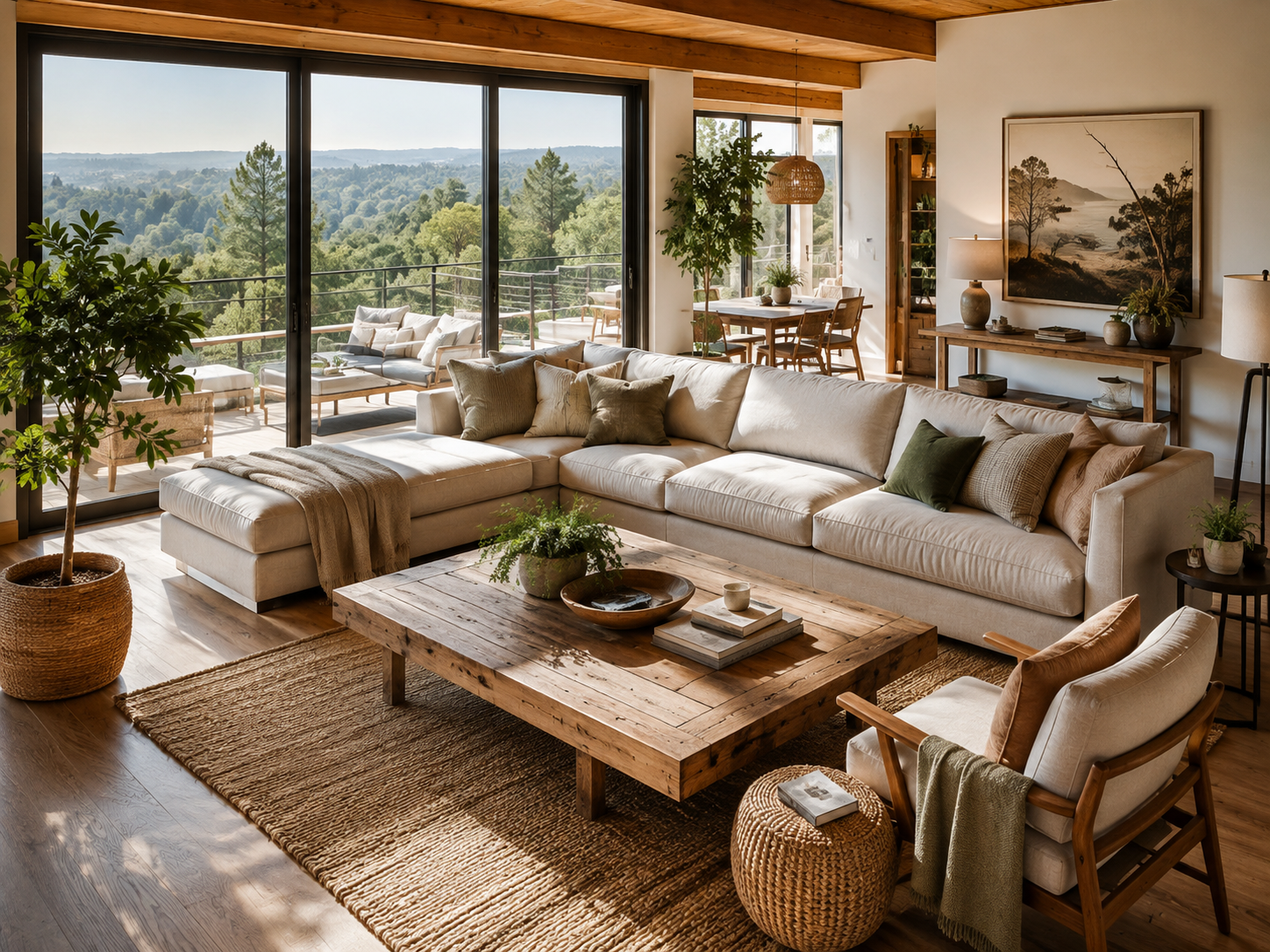
Sustainable luxury home decor shows that high-end design and environmental responsibility can go together.
By 2026, the global market for sustainable home furnishings will reach over $120 billion, driven by demand for stylish pieces that match ethical values. This shift rejects the idea that luxury requires waste or environmental harm. Instead, it uses materials like FSC-certified hardwoods, reclaimed metals, organic linens, and biodegradable composites to deliver both beauty and integrity. Brands such as the eco aesthetic are redefining high-end design by sourcing from artisan collectives in Scandinavia and upcycled workshops in Portugal, ensuring each piece reflects craftsmanship and care.
This guide explains how to create a refined aesthetic while keeping environmental impact low. It covers the latest innovations, trusted certifications, and examples from leading ethical brands.
Why Choose Sustainable Luxury Decor?
Luxury now means more than appearance—it means purpose. A 2025 NielsenIQ report found that 63% of millennials and Gen Z shoppers will pay more for sustainable products, with home decor ranking among the top categories. This reflects a broader cultural shift toward mindful consumption.
Sustainable luxury decor focuses on pieces built to last, made from renewable or recycled materials, and produced under fair labor conditions. Unlike fast furniture, which often ends up in landfills within five years, high-quality sustainable pieces age gracefully, developing a patina that adds character. Brands like Eileen Fisher’s Remade line and VivaTerra transform discarded textiles and reclaimed wood into heirloom-quality furnishings that stand out.
The environmental benefits are clear. Traditional furniture production emits about 10 kilograms of CO2 per sofa, while sustainable alternatives using reclaimed materials cut emissions by up to 70%. Non-toxic finishes and energy-efficient manufacturing further reduce the ecological footprint. This is how eco-friendly luxury interior design becomes a force for change, not just a passing trend.
What Defines Sustainable Luxury Home Decor?
Sustainable luxury home decor follows three core principles: material integrity, ethical production, and timeless design. It’s about reinvention—using sustainable materials to meet high-end standards.
1. Material Integrity: Beauty Rooted in Responsibility
Luxury materials are defined by responsibility, not just rarity. Consider these options:
- FSC-certified hardwoods — Sourced from responsibly managed forests, these woods (like teak, oak, and walnut) offer durability and rich grain patterns without deforestation. Brands such as Crate & Barrel and West Elm now source 100% of their hardwood furniture from FSC-certified forests.
- Reclaimed wood — Salvaged from barns, factories, and shipping pallets, reclaimed wood carries the patina of history and reduces demand for virgin timber. Pieces like reclaimed wine barrel coffee tables or salvaged gym floor dining tables merge rustic charm with modern sophistication.
- Organic cotton and linen — Grown without synthetic pesticides, these fabrics breathe better, last longer, and soften with age. High-end brands like Coyuchi and Parachute use GOTS-certified organic cotton in bedding and upholstery, proving that comfort and conscience can coexist.
- Recycled metals — Aluminum, brass, and steel can be infinitely recycled without losing quality. Brands such as Emeco have been crafting chairs from 80% recycled aluminum since the 1940s, blending engineering with sustainability.
Luxury also includes the story behind the material. A handwoven wool throw from a women’s weaving cooperative in Peru or a marble slab quarried with water-recycling techniques in Italy adds depth to your decor, turning each piece into a conversation starter.
2. Ethical Production: Craftsmanship Without Exploitation
True luxury respects the people who craft it. Ethical production ensures fair wages, safe working conditions, and transparency across the supply chain. Organizations like Fair Trade Certified and B Corp validate these practices.
For example:
- Article, a direct-to-consumer furniture brand, sources materials from FSC-certified forests and manufacturing partners certified by the Sedex Members Ethical Trade Audit (SMETA).
- Sabai, known for its modular sofas, uses upcycled fabrics and partners with a North Carolina workshop that pays living wages and provides healthcare benefits.
- Etsy’s marketplace connects buyers with independent artisans who handcraft everything from ceramic vases to rattan lighting, often using salvaged or sustainably harvested materials.
Look for certifications such as Fair Trade, GOTS (Global Organic Textile Standard), OEKO-TEX®, and Cradle to Cradle when evaluating brands. These labels ensure that the people and planet behind your decor are treated with dignity and respect.
3. Timeless Design: Investing in What Lasts
Luxury decor isn’t trendy—it’s timeless. The most sustainable choice is one that won’t be discarded in a few seasons. Minimalist, modular, and neutral-toned pieces—like a solid oak dining table or a wool area rug in natural tones—transition seamlessly across styles and decades. Brands such as Muji and Ferm Living exemplify this ethos with clean lines, neutral palettes, and enduring functionality.
This approach aligns with the slow design movement, which values quality over quantity and emotional connection over disposability. By choosing sustainable home furnishings with longevity in mind, you reduce waste and create a home that feels curated and meaningful.
Top Ethical Luxury Decor Brands to Know in 2026
As demand for sustainable luxury grows, a new wave of brands is emerging, each defining opulence through an ethical lens. Here are some of the most respected names in ethical luxury decor today:
| Brand | Core Materials | Key Certifications | Price Range |
|---|---|---|---|
| VivaTerra | Reclaimed wood, recycled glass, organic cotton | FSC, Fair Trade, Cradle to Cradle | $150–$5,000 |
| Eileen Fisher Renew | Upcycled wool, organic linen, recycled polyester | GOTS, Fair Trade, B Corp | $200–$4,000 |
| Sabai | Upcycled fabric, FSC-certified wood, non-toxic foam | Greenguard Gold, SMETA | $800–$3,500 |
| Cuyana | Italian leather (from food industry byproduct), organic cotton | Leather Working Group, GOTS | $300–$1,500 |
| Emeco | Recycled aluminum, reclaimed wood | Cradle to Cradle, ISO 14001 | $400–$8,000 |
What sets these brands apart is their commitment to circularity. Many, like Eileen Fisher Renew, accept returns of old garments and furniture to upcycle into new products. Others, such as Sabai, offer take-back programs for their sofas, ensuring materials are reused rather than landfilled. This closed-loop approach is the gold standard of sustainable luxury home decor.
How to Build a Sustainable Luxury Interior From Scratch
Creating a refined aesthetic rooted in sustainability requires strategy. Start with a vision, then layer in materials and finishes that reflect both your values and your style. Here’s how:
Step 1: Define Your Aesthetic and Values
Are you drawn to minimalist warmth or the organic textures of biophilic design? Your aesthetic sets the tone. Pair that with your values—whether it’s zero waste, carbon neutrality, or supporting marginalized artisans. This clarity will guide every purchase.
If you prefer minimalist sustainable living spaces, focus on neutral tones, clean lines, and functional furniture made from solid wood or stone. Brands like Muji and Ferm Living excel here, offering pieces designed to simplify life and reduce clutter.
Step 2: Prioritize Multi-Functional and Modular Pieces
In small urban spaces, every square foot counts. Opt for modular sofas, extendable dining tables, and storage ottomans that serve multiple purposes. Sabai’s modular sofas, for example, can be reconfigured to fit shifting needs, reducing the need for replacements.
Similarly, consider nesting tables, wall-mounted desks, and fold-out guest beds. These designs maximize utility without sacrificing style or sustainability.
Step 3: Invest in Natural Material Home Accessories
Small decor items—throws, cushions, vases, and rugs—can dramatically elevate a room while keeping your footprint light. Choose accessories made from:
- Hemp — A fast-growing, carbon-sequestering fiber used in rugs and textiles.
- Jute — A biodegradable, low-impact material ideal for rugs and baskets.
- Bamboo — Rapidly renewable and naturally antimicrobial, perfect for cutting boards, trays, and furniture accents.
- Stone — Travertine, marble, and slate require no finishing and last for generations.
For example, a hemp throw from Coyuchi adds texture and warmth while supporting regenerative agriculture. A travertine side table from West Elm Residence offers timeless elegance with a low environmental cost.
Step 4: Choose Non-Toxic Finishes and Adhesives
Even sustainable materials can be undermined by harmful finishes. Look for products labeled Greenguard Gold or OEKO-TEX®, which certify low chemical emissions. Avoid items treated with:
- VOC-laden paints and varnishes
- Formaldehyde-based adhesives
- Plastic-based coatings
Brands like Yolo Colorhouse and ECOS offer zero-VOC paints in sophisticated hues, proving that health and beauty can coexist. Pair them with natural wood stains made from beeswax or plant oils for a finish that’s as safe as it is stunning.
Step 5: Support Local Artisans and Small Businesses
When you buy from independent makers, you reduce shipping emissions and support local economies. Platforms like Etsy, Aftcra (a fair-trade marketplace), and Uncommon Goods curate handmade home goods from artisans around the world. These pieces carry the soul of their creators—and often use upcycled or sustainably sourced materials.
Sustainable Luxury by Room: Real-World Examples
Seeing is believing. Here’s how to apply eco-friendly luxury interior design in key areas of your home:
In the Living Room
Create a sanctuary with furniture crafted from reclaimed teak and organic linen. A Sabai sofa in neutral linen, paired with a VivaTerra reclaimed wood coffee table and a Coyuchi wool throw, delivers both comfort and conscience. Add a hemp rug from Safavieh and a Greenguard Gold-certified floor lamp to complete the look. This setup reduces indoor air pollution and supports circular design.
In the Bedroom
Curate a restful retreat with organic cotton sheets from Parachute, a wool mattress topper from Avocado Green Mattress, and a FSC-certified walnut nightstand. Layer in a jute storage basket for clutter-free organization. This combination ensures your sleep space is free from synthetic chemicals and made from renewable materials.
In the Kitchen
Opt for utensils made from sustainably harvested wood or recycled stainless steel. Brands like OXO (with its bamboo-handled tools) and Preserve (using recycled #5 plastic) offer stylish, functional options. Pair with a recycled glass countertop from IceStone for a surface that’s both durable and beautiful.
In the Bathroom
Swap plastic for natural materials like cork, bamboo, and stone. A bamboo bath mat from EcoNour adds warmth and absorbs moisture without off-gassing. Choose a travertine soap dish and a terracotta plant pot to bring organic textures into the space. Finish with Ecover or Method biodegradable cleaning products in sleek glass bottles.
Certifications and Labels: How to Decode Ethical Claims
Not all eco-labels are equal. Understanding the most reputable certifications helps you make informed choices when curating your sustainable luxury home decor.
| Certification | What It Means | Where to Look |
|---|---|---|
| FSC (Forest Stewardship Council) | Ensures wood and paper products come from responsibly managed forests. | Furniture, flooring, paper goods |
| GOTS (Global Organic Textile Standard) | Certifies organic fibers from harvest to finished product, prohibiting toxic chemicals. | Textiles, bedding, upholstery |
| Greenguard Gold | Verifies low chemical emissions for better indoor air quality. | |
| Cradle to Cradle | Evaluates products for material health, recyclability, and renewable energy use. | Furniture, lighting, accessories |
| Fair Trade Certified | Ensures fair wages and safe working conditions for artisans and workers. | Handcrafted decor, textiles, ceramics |
| OEKO-TEX® | Certifies textiles are free from harmful substances. | Fabrics, yarns, finished textiles |
| B Corp | Measures a company’s entire social and environmental impact. | Full brand assessment |
Always cross-check claims with the certifying body’s directory. For example, a product labeled “natural” may not be organic unless it carries a GOTS or USDA Organic seal. Similarly, “handmade” doesn’t guarantee fair labor—look for Fair Trade or B Corp verification.
Common Myths About Sustainable Luxury Decor
Misinformation often holds people back from embracing sustainable luxury home decor. Let’s debunk the most persistent myths:
Myth 1: Sustainable Decor Is Less Durable
Some assume eco-friendly materials are flimsier or less long-lasting. In reality, many sustainable materials—like reclaimed wood, recycled aluminum, and organic cotton—are more durable than their conventional counterparts. For example, Emeco’s Navy Chair, made from 80% recycled aluminum, has been in production since 1944 and is backed by a lifetime warranty.
Myth 2: Eco-Friendly Options Are Limited in Style
While early green design leaned toward rustic or earthy aesthetics, today’s eco-friendly luxury interior design spans modern minimalism, Art Deco glam, and Scandinavian warmth. Brands like West Elm and Crate & Barrel now offer sustainable collections in diverse styles, proving that ethics and aesthetics can go together.
Myth 3: It’s Too Expensive
While sustainable luxury decor often has a higher upfront cost, it’s a better long-term investment. A high-quality FSC-certified dining table from Williams Sonoma may cost $1,500 upfront but can last for decades, avoiding the need for replacements. In contrast, fast furniture pieces often need replacing every 3–5 years. Over 15 years, the sustainable option saves money and reduces waste.
Additionally, many ethical brands offer payment plans, sample sales, and secondhand marketplaces (like 1stDibs’ Green Collection) where you can find gently used luxury pieces at a discount.
Myth 4: All Sustainable Products Look the Same
Nothing could be further from the truth. Natural material home accessories now come in a vast array of colors, textures, and finishes. From recycled glass vases in jewel tones to cork wall art with geometric patterns, the range of sustainable decor is as diverse as traditional luxury. Brands like VivaTerra and Uncommon Goods specialize in helping you find pieces that reflect your personal style.
DIY Sustainable Luxury: Upcycling and Customization
For those who love hands-on creativity, DIY offers a personal path to sustainable luxury home decor. Upcycling turns discarded items into statement pieces, while customization ensures your decor is one-of-a-kind.
Upcycling Projects to Try
- Painted Furniture: Sand and repaint an old dresser using Greenguard Gold-certified paint. Use a chalk or milk paint for a matte, vintage finish.
- Pallet Wood Shelves: Disassemble wooden pallets, sand the slats, and mount them on your wall for rustic yet refined shelving. Seal with a natural beeswax polish.
- Fabric Scrap Art: Use leftover organic cotton or linen scraps to create a patchwork wall hanging or throw pillow covers. No sewing? Try fabric glue for a no-stitch option.
- Glass Jar Vases: Collect glass jars from sauces or pickles, remove labels, and paint the rims with eco-friendly stain. Fill with dried flowers or branches for a seasonal centerpiece.
For more inspiration on reusing materials, explore Recycled Home Decor: Sustainable Style For Modern Living Spaces.
Customizing with Natural Dyes and Finishes
Natural dyes made from avocado pits, onion skins, or marigolds can transform plain fabrics into vibrant statement pieces. Pair them with organic cotton or linen for a cohesive look. You can also use beeswax or carnauba wax to polish wood surfaces, adding a subtle sheen without synthetic chemicals.
Sustainable Luxury Decor on a Budget: Smart Strategies
You don’t need a lot of money to embrace sustainable luxury home decor. With savvy strategies, you can curate a refined aesthetic without breaking the bank.
Shop Secondhand and Vintage
Thrift stores, estate sales, and online marketplaces like Chairish, 1stDibs, and eBay are treasure troves for pre-loved luxury pieces. Look for solid wood furniture, brass fixtures, and silk textiles—items that improve with age. Always inspect for quality and authenticity before purchasing.
Invest in Timeless Basics
Build your foundation with neutral, high-quality items that never go out of style: a FSC-certified walnut dining table, a wool area rug, or a linen sofa. These pieces anchor a room and can be accessorized seasonally.
Prioritize Accessories
Small changes make a big impact. Swap out plastic storage bins for woven baskets, replace synthetic throw pillows with organic cotton or hemp, and choose glass or ceramic dinnerware over disposable alternatives. These swaps are affordable, effective, and sustainable.
Lease or Rent High-End Pieces
For statement furniture you won’t keep long-term, consider leasing. Companies like Fernish and Feather offer high-quality, sustainable furniture rentals with flexible terms. This is ideal for urban dwellers who move frequently or want to test a piece before committing.
The Future of Sustainable Luxury: Trends to Watch
The world of sustainable luxury home decor is evolving rapidly. Here are the trends shaping the future:
1. Biophilic Design Integration
Biophilic design—incorporating natural elements like plants, water, and organic materials—is becoming a staple of luxury interiors. Brands are integrating living walls, indoor gardens, and furniture made from mycelium (mushroom-based composites) to enhance well-being and sustainability. Expect to see more terracotta planters, bamboo lighting, and stone surfaces in high-end spaces.
2. Carbon-Neutral Furniture
Companies are now calculating and offsetting the carbon footprint of their products. West Elm and Pottery Barn have committed to carbon-neutral production by 2030, using renewable energy and reforestation projects to balance emissions. Look for products labeled “carbon-neutral” or “climate positive.”
3. Digital Fabrication and Local Production
3D printing and CNC routing are enabling brands to produce furniture on-demand, reducing waste and shipping emissions. Companies like Etsy’s local makers and Made.com are using these technologies to create custom pieces without overproduction. This shift supports minimalist sustainable living spaces by eliminating excess inventory.
4. Transparency and Blockchain Tracking
Blockchain is being used to trace materials from source to showroom, ensuring authenticity and ethical sourcing. Brands like Provenance and Everledger provide digital passports for products, allowing consumers to verify every step of the supply chain. This level of transparency builds trust and elevates ethical luxury decor to new heights.
Key Takeaways: How to Decorate Luxuriously Without Harming the Planet
At a Glance:
- Choose quality over quantity. Invest in timeless, durable pieces made from sustainable materials like FSC-certified wood, organic linen, and recycled metals.
- Prioritize certifications. Look for FSC, GOTS, Greenguard Gold, Fair Trade, and B Corp labels to ensure your decor meets high ethical and environmental standards.
- Support ethical brands and artisans. Seek out companies that pay fair wages, use non-toxic processes, and embrace circular design.
- Embrace DIY and upcycling. Transform discarded items into unique decor pieces that reflect your style and reduce waste.
- Decorate with intention. Each piece should serve a purpose, tell a story, or evoke emotion—ensuring your home is both beautiful and meaningful.
Frequently Asked Questions About Sustainable Luxury Home Decor
What is sustainable luxury home decor?
Sustainable luxury home decor refers to high-end interior design pieces made from responsibly sourced, eco-friendly materials and produced under ethical labor conditions. These items prioritize durability, non-toxic finishes, and circular design principles to minimize environmental impact while delivering aesthetic excellence.
Can sustainable home decor really be luxurious?
Absolutely. Luxury today is defined by craftsmanship, intention, and integrity—not by excess or waste. Brands like Eileen Fisher Renew and VivaTerra prove that sustainable materials such as upcycled wool, reclaimed wood, and organic linen can be transformed into pieces that rival traditional luxury in beauty and desirability.
What are the best sustainable materials for high-end furniture?
The best sustainable materials for high-end furniture include:
- FSC-certified hardwoods for durability and grain beauty
- Reclaimed wood for historical character and reduced deforestation
- Organic linen and cotton for breathable, long-lasting textiles
- Recycled metals like aluminum and brass for strength and recyclability
- Mycelium composites as a biodegradable alternative to leather and plastic
- Natural stone such as travertine or slate for timeless surfaces
How do I know if a brand is truly sustainable?
Look for third-party certifications such as FSC, GOTS, Greenguard Gold, Fair Trade, and B Corp. Research the brand’s supply chain and labor practices. Avoid vague terms like “eco-friendly” or “natural” unless they’re backed by verifiable standards. Transparency is key—brands that publish impact reports or allow supply chain tracking inspire confidence.
Is sustainable luxury decor more expensive?
While sustainable luxury decor often has a higher upfront cost, it’s a better long-term investment. High-quality pieces last decades, reducing the need for replacements. Over time, the total cost of ownership is often lower than for fast furniture. Additionally, many ethical brands offer financing, rentals, or secondhand options to make luxury more accessible.
Can I mix sustainable luxury decor with traditional pieces?
Yes. Sustainable decor is highly versatile. You can blend a FSC-certified teak dining table with vintage leather chairs or pair a Greenguard Gold-certified sofa with a handwoven wool throw. The key is to focus on quality and intention, ensuring every piece contributes to a cohesive, meaningful aesthetic.
Conclusion: Elevate Your Space—Without Compromising the Planet
Sustainable luxury home decor isn’t a contradiction—it’s a revolution. It redefines opulence as something earned through responsibility, craftsmanship, and care for the Earth and its people. By choosing sustainable luxury, you’re not just redecorating a room; you’re investing in a lifestyle that values beauty, ethics, and longevity.
Start small: swap a synthetic throw for an organic cotton one, choose a reclaimed wood shelf over a particleboard alternative, or invest in a single heirloom-quality piece that tells a story. Over time, your home will become a testament to how luxury and sustainability can coexist—harmoniously and powerfully.
Remember: every sustainable choice you make is a vote for the kind of world you want to live in. And that’s the most luxurious statement of all.
For more inspiration on creating an eco-friendly home, explore Eco-Friendly Interior Design, Sustainable Interior Design, and our guide to Sustainable Home Upgrades.