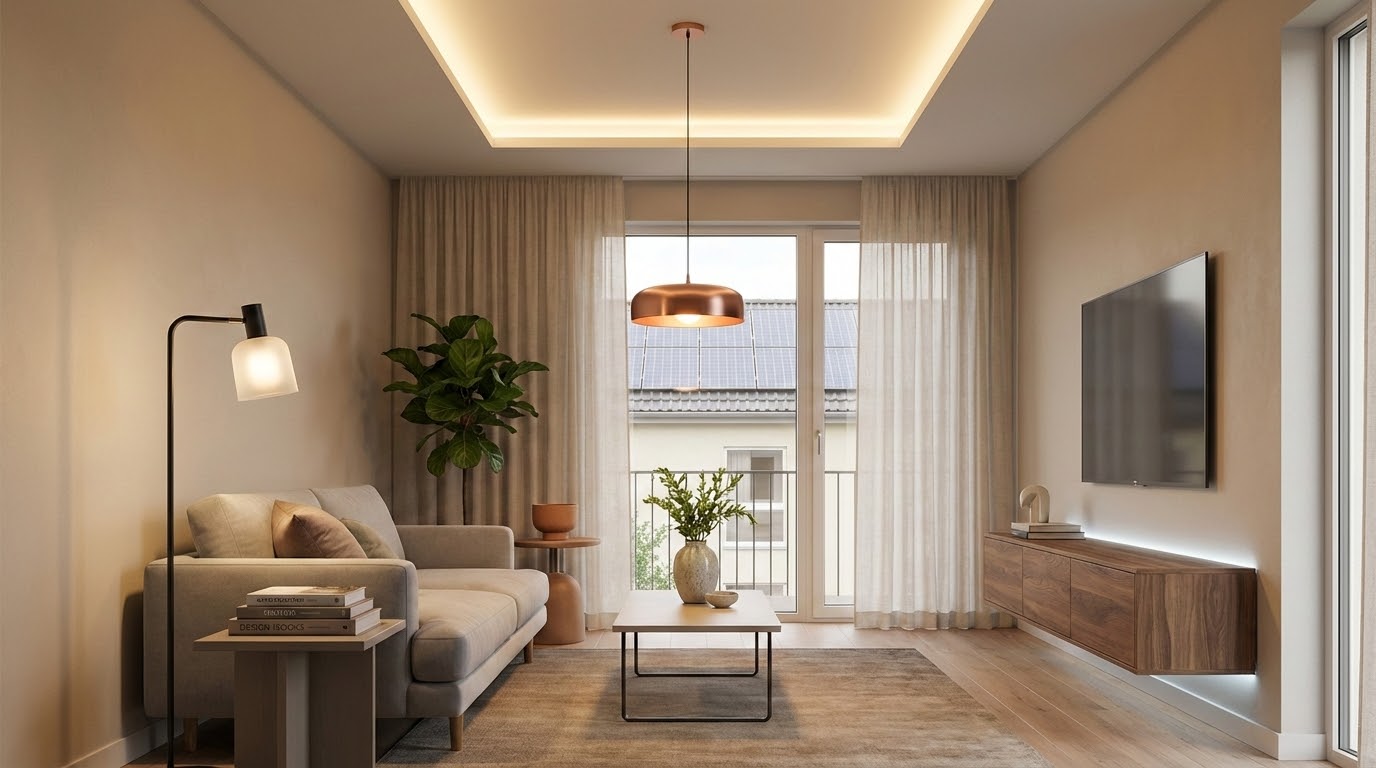
Welcome! Have you ever wanted a home that feels both stunning and smart? Good news. The world of illumination has changed for the better. You no longer have to choose between a beautiful space and saving on your power bill.
This guide is your friendly companion. We will show you how modern solutions blend amazing style with serious performance. You can create a warm, inviting atmosphere that also respects our planet.
Making smart choices matters. The way we light our spaces uses a significant amount of global power. By focusing on better performance, we can make a positive impact.
Whether you’re refreshing one room or planning a full upgrade, we are here to help. You will learn about the latest technologies and simple steps for success. Let’s build a space that is both gorgeous and gentle on your wallet.
Key Takeaways
- Modern solutions perfectly combine visual appeal with cost savings.
- Smart choices in your home’s illumination can significantly reduce environmental impact.
- This guide is designed for homeowners and design lovers at any skill level.
- You will learn practical steps for selection, installation, and long-term maintenance.
- Creating a captivating atmosphere no longer means sacrificing performance or efficiency.
- Understanding the basics empowers you to make confident and informed decisions.
Introduction to Sustainable and Stylish Lighting
Did you know that illumination accounts for a massive portion of our national electricity budget? In the United States, we spend over $37 billion annually just on lighting. Commercial buildings dedicate more than 30% of their total electrical energy to this single purpose.
Sustainable lighting isn’t just about saving energy. It’s about creating beautiful, functional spaces that enhance our daily lives. These solutions also protect our environment for future generations.
The good news is modern options can cut operational costs by 30% to 60%. They actually improve lighting quality and visual comfort. Today’s technologies have evolved far beyond harsh fluorescent tubes.
Quality design considers both natural and electric light sources. It creates layered illumination that adapts to different times of day. This approach supports various activities within any space.
Energy-efficient lighting positively impacts occupant well-being. It reduces eye strain and supports natural circadian rhythms. Visually interesting environments boost productivity and mood.
This section introduces fundamental principles of sustainable design. You’ll learn how to balance performance with aesthetic goals. We’ll show how thoughtful choices minimize environmental impact.
Fundamentals of Energy-Efficient Lighting
Today’s market offers several distinct types of lamps that can dramatically cut your energy consumption without sacrificing quality. The three main categories are compact fluorescent lamps (CFLs), linear fluorescents, and LEDs. Each technology brings different benefits to your space.
Look for the ENERGY STAR label when choosing bulbs. This certification means products meet strict requirements from the EPA and Department of Energy. It ensures both performance and efficiency standards are met.
LED technology represents the most advanced option available. These lamps use up to 90% less energy than traditional incandescent bulbs. They also produce almost no heat, making them safer and more comfortable.
Fluorescent lamps offer solid performance too. They’re about 3 to 5 times more efficient than standard incandescent types. These light sources can last 10 to 20 times longer than older technologies.
When selecting bulbs, consider factors like brightness, color temperature, and lifespan. Modern options provide excellent color rendering that rivals traditional incandescent light. The right choice depends on your specific needs and application.
Understanding these fundamentals helps you make informed decisions. Whether for ambient glow or task illumination, today’s solutions combine beautiful results with smart energy use.
Practical Steps for Energy-Efficient Lighting Design
Ready to take action? Here are practical steps you can implement right away to transform your space. Start by swapping out old incandescent and halogen bulbs with ENERGY STAR-certified LED options.
This simple change delivers immediate results. You’ll notice lower electricity bills without any major renovation work. It’s the fastest way to improve your home’s performance.
Consider upgrading your fixtures too. Some older models absorb more than half the light produced. Modern alternatives use reflectors to direct illumination where it’s needed most.
Don’t forget about ballasts. Replacing magnetic versions with electronic ones can cut consumption by 20-30%. This upgrade maximizes your system’s potential.
Work with natural daylight whenever possible. Position your fixtures strategically to complement sunlight. Use controls that adjust automatically throughout the day.
Test different solutions before committing fully. Check color temperature and brightness in your actual environment. Make sure the aesthetic meets your expectations.
Balance fixture types for manageable maintenance. Consider room proportions and ceiling heights. Your choices should support the activities in each area.
Advanced Lighting Control Strategies
Modern buildings are getting smarter about how they manage illumination throughout the day. Advanced control strategies represent the next frontier in intelligent space management.
Networked lighting controls create communication between sensors, controllers, and fixtures. This system enables sophisticated adjustments based on occupancy and natural light availability.
Luminaire-level controls integrate sensing directly into each fixture. This approach simplifies installation while providing granular control over energy consumption.
Dimming controls allow you to adjust light intensity to match actual needs. This reduces waste while creating the perfect ambiance for different activities.
Occupancy sensing detects when spaces are in use. Sensors automatically manage lights to eliminate energy waste in unoccupied areas.
Daylight harvesting systems measure natural light levels. They automatically dim electric lights when sufficient daylight is available.
These strategies work best when layered together. Combining multiple approaches creates a comprehensive system that maximizes savings while maintaining quality illumination.
Exploring Modern Lighting Technologies
Understanding the key specifications of modern lamps empowers smarter purchasing decisions. Today’s options go far beyond basic bulb replacement. The right choice depends on your specific needs and space requirements.
LED technology leads the revolution with unprecedented versatility. These sources come as standard bulbs, recessed cans, linear tubes, and flexible strips. Their 50,000-100,000 hour lifespan means decades of reliable service.
Pay attention to lumens rather than watts when evaluating brightness. Color temperature measured in Kelvin affects mood dramatically. Warmer temperatures (2,700-3,000K) create cozy atmospheres while cooler ones (5,000K+) promote alertness.
The Color Rendering Index (CRI) measures how accurately a source reveals true colors. Higher CRI values (80-100) produce more vibrant, true-to-life rendering. This specification matters greatly for spaces where color accuracy is important.
Other lamp types still serve specific purposes well. T8 and T5 linear fluorescents work excellently for general ambient lighting. Pulse-start metal halide lamps provide exceptional color stability for retail accent applications.
Understanding these technical specifications helps you select the perfect technology. Consider efficacy, color quality, lifespan, and dimming capability. Your choices will create both functional and beautiful environments.
Upgrading Fixtures and Ballasts for Better Performance
Many homeowners focus on bulb replacement but overlook a crucial component: the fixture itself. Older models can absorb more than half the light produced by your lamps. This essentially wastes electricity while failing to properly illuminate your space.
Modern fixtures incorporate advanced reflectors that redirect light effectively. These systems dramatically improve illumination while using less energy. The right optical design ensures light goes where you need it most.
Electronic ballasts represent another significant upgrade opportunity. They operate at high frequencies to provide smooth, flicker-free operation. This reduces eyestrain and creates more comfortable environments.
These ballasts also extend lamp life and improve color characteristics. Program rapid start versions use gentler starting methods ideal for frequently switched systems. Dimming electronic ballasts offer flexible control from 5% to full brightness.
When planning upgrades, consider various luminaire types that maximize performance. The combination of proper fixtures and modern ballasts unlocks the full potential of your lighting investment.
Real-World Case Studies and Applications
Seeing how efficient lighting performs in real buildings proves its value beyond theory. These systems work beautifully across many different spaces. From schools and offices to healthcare facilities and warehouses, the applications are nearly endless.
Office environments show particularly impressive results. Indirect/direct linear luminaires create soft, even illumination. Combined with smart controls, they dramatically cut operating costs while improving visual comfort.
Educational facilities benefit tremendously from thoughtful planning. Classrooms use pendant fixtures that reduce glare on screens. This approach supports learning while conserving power.
Task applications allow designers to lower ambient levels. Under-shelf fixtures and adjustable arms provide focused light exactly where needed. This strategy works well at desks, counters, and workbenches.
Healthcare settings require special attention to both quality and efficiency. Solutions must support patient care while reducing staff fatigue. Proper illumination levels are crucial for medical procedures.
Retail spaces increasingly use modern systems like LED track lighting. These options highlight products effectively while using far less electricity. The result is better merchandise presentation with lower bills.
These real-world examples demonstrate how good planning creates environments that are both beautiful and practical. The right approach considers each space’s unique needs while delivering lasting benefits.
Maintenance, Savings, and Long-Term Benefits
Investing in modern illumination pays dividends far beyond your monthly electricity bill. The real magic happens over years of reliable service.
LED systems dramatically cut your energy consumption. They use up to 90% less power than old incandescent lamps.
This translates to significant savings on your utility costs month after month. Your overall electricity use drops substantially.
The exceptional lifespan of LED lighting is a game-changer. These lamps last 50,000 to 100,000 hours—that’s 10 to 20 years of typical use.
You’ll spend less time and money on maintenance. Replacing bulbs becomes a rare event rather than a regular chore.
Modern equipment can reduce operational costs by 30% to 60%. This improved efficiency doesn’t sacrifice quality or performance.
These systems produce much less heat than traditional options. This reduces cooling loads in your building during warm months.
At the end of their life, many components can be recycled. Glass, metal, and other materials get recovered rather than ending up in landfills.
The combination of lower energy bills, reduced maintenance, and decreased cooling costs makes this one of the smartest investments you can make for your home or business.
Conclusion
Your journey toward a smarter, more beautiful home is now within reach. Modern solutions combine stunning visual appeal with serious performance benefits. These technologies work beautifully across all types of spaces.
The practical steps we’ve covered make upgrading simple and effective. From choosing the right sources to implementing smart controls, each improvement adds value. Your efforts will pay off through lower bills and reduced maintenance.
Remember that good planning creates environments that support wellbeing. The right approach balances efficiency with aesthetic goals perfectly. Your choices today will benefit both your space and our planet for years to come.
FAQ
What’s the difference between LED and incandescent bulbs?
LED bulbs use significantly less electricity and last much longer than traditional incandescent options. They also produce very little heat, making them safer and more cost-effective over time.
Can I really save money by switching my light sources?
Absolutely. Upgrading to efficient systems like Philips Hue or Cree LED lamps can cut your electricity use for illumination by up to 80%. You’ll see lower utility bills and reduced replacement costs.
Will efficient lights affect the color and feel of my room?
Modern technology offers excellent color rendering. You can choose from warm to cool color temperatures to create the exact ambiance you want, without sacrificing quality or brightness.
Are dimmers and sensors difficult to install?
Many solutions are user-friendly. Brands like Lutron offer simple dimmer switches, and motion sensors can be easily added to control lights automatically, enhancing convenience and savings.
How does daylight harvesting work in a building?
This strategy uses sensors to adjust artificial light output based on the amount of natural light entering a space. It ensures optimal illumination while minimizing energy consumption throughout the day.
What should I consider when upgrading fixtures?
Focus on compatibility with modern lamps and ballasts. Ensure new fixtures are suited for the task and space to maximize performance, longevity, and overall system efficiency.