Blog

  • Sustainable Luxury: 9 Eco-Friendly Materials That Elevate Any Room

    Sustainable Luxury: 9 Eco-Friendly Materials That Elevate Any Room

    Welcome to an exploration of how conscious design choices can transform your living space. Today’s homeowners are discovering that beautiful interiors and environmental responsibility go hand in hand.

    The concept of sustainable luxury represents a shift in how we think about decorating our spaces. It’s no longer just about being environmentally conscious—it’s about making sophisticated design decisions that benefit both your residence and the planet.

    Modern design enthusiasts are finding that sustainability and luxury complement each other perfectly. These choices create beautiful, responsible living environments that feel good and make a positive impact.

    This guide introduces nine remarkable options that combine aesthetic appeal with environmental benefits. Each selection offers practical solutions for your next design project, helping you create spaces that are both stunning and sustainable.

    Choosing these alternatives represents an investment in your living environment’s beauty and our world’s health. You’ll gain detailed information about each option’s unique benefits and applications.

    Discover why these selections are gaining popularity among design-conscious individuals. Get ready to make informed decisions about upgrading your interior spaces with conscious alternatives.

    Key Takeaways

    • Sustainable luxury combines beautiful design with environmental responsibility
    • Eco-conscious options are now sophisticated design choices, not compromises
    • Modern materials offer both aesthetic appeal and planet-friendly benefits
    • Conscious design creates spaces that feel good and make a positive impact
    • This guide provides practical solutions for your next interior project
    • Learn about materials gaining popularity among design enthusiasts
    • Make informed decisions to elevate your living environment

    Introduction to Sustainable Luxury Home Decor

    Today’s discerning homeowners are discovering that sophistication and sustainability create the perfect design partnership. This approach represents a significant shift in how we decorate our living spaces. Environmental responsibility now meets high-end aesthetics to create beautiful, conscientious rooms.

    Choosing sustainable building materials dramatically reduces a residence’s carbon footprint. This means fewer harmful emissions enter our atmosphere. The environmental impact of these choices extends to future generations, creating cleaner surroundings for everyone.

    Improved energy efficiency delivers direct financial benefits to property owners. Lower monthly bills and reduced long-term costs make these options economically smart. People enjoy comfortable living while saving money throughout the year.

    Sustainable luxury isn’t about making sacrifices. It’s about selecting intelligent alternatives that enhance your quality of life. These choices improve both your living environment and your overall well-being.

    A growing movement prioritizes durable, beautiful options with environmental benefits. These selections address immediate concerns like indoor air quality. They also support long-term goals like reducing energy consumption and minimizing ecological harm.

    Spotlight: eco-friendly materials for home

    A significant shift is occurring in how we source and implement construction elements for residential spaces. The building industry contributes substantially to global environmental challenges. Understanding embodied carbon reveals why this matters.

    Embodied carbon represents emissions created during manufacturing and construction phases. This accounts for 10% of all global energy-related CO2 emissions. Choosing environmentally friendly alternatives directly addresses this impact.

    Our featured selections offer practical solutions for various applications. Each material provides unique sustainability benefits while maintaining aesthetic appeal. These options help conserve natural resources and reduce waste.

    These construction choices aren’t experimental concepts. They represent proven, accessible solutions available today. Individuals can make measurable differences through conscious building decisions.

    Upcoming sections will explore each material’s specific applications and benefits. You’ll gain practical knowledge for your next project. This information helps create healthier living environments while supporting our planet.

    Bamboo: A Renewable Material for Stylish Spaces

    Among sustainable building options, bamboo stands out as nature’s speed champion in the plant kingdom. This remarkable grass grows faster than any other plant worldwide, reaching maturity in just three to five years.

    Traditional hardwoods take decades to mature, making bamboo an exceptionally renewable choice. It requires minimal energy to cultivate compared to other building materials.

    Bamboo brings incredible versatility to interior design projects. You’ll find it in sleek flooring, elegant cabinetry, and modern wall panels. This single material can transform multiple areas of your living environment.

    The sustainability profile of bamboo is truly impressive. Construction teams can use entire bamboo stems with virtually no waste. Any leftover pieces break down naturally since bamboo is biodegradable.

    Despite being technically a grass, bamboo demonstrates remarkable strength and durability. It handles high-traffic areas beautifully and works well for structural applications.

    Harvesting bamboo has minimal environmental impact compared to extracting ores or cutting large trees. The plant regenerates quickly without needing replanting after each harvest.

    Designers love bamboo’s warm, natural aesthetic that complements both contemporary and traditional spaces. Its organic beauty adds character to any room while supporting sustainable building practices.

    Bamboo’s global availability makes it accessible for construction projects worldwide. This rapidly-growing plant thrives across multiple continents, ensuring easy sourcing for your next improvement project.

    Recycled Steel: Building a Sustainable Structure

    Among the most recycled substances in America, steel provides a durable foundation for conscious building projects. This metal offers incredible strength while supporting environmental goals.

    Recycling steel creates impressive carbon benefits. Processing just one kilogram of scrap prevents 1.5 kilograms of emissions from entering our atmosphere.

    Steel maintains its quality through endless recycling cycles. This material never loses strength or durability when reprocessed.

    The construction industry already embraces recycled steel extensively. Approximately 40% of new steel production uses recycled content.

    Builders use recycled steel for framing and structural components. Beams, bars, and columns provide reliable support for any project.

    Choosing recycled steel reduces demand for virgin resources. This means less mining and environmental disruption.

    Recycled steel offers the same structural integrity as new steel. Property owners gain durability with superior environmental benefits.

    Cork and Reclaimed Wood: Natural Charm Meets Sustainability

    Cork brings a remarkable story of sustainability right from the forest floor. Harvesters carefully remove only the bark, allowing trees to continue growing. This process preserves forests while providing a truly renewable resource.

    The hypoallergenic nature of cork makes it ideal for improving indoor air quality. It naturally resists mold and pests, creating healthier living environments. Families with allergies particularly benefit from this characteristic.

    Excellent natural insulation properties help reduce energy costs throughout the year. Cork maintains comfortable temperatures with minimal heating or cooling. This thermal efficiency translates to noticeable savings on utility bills.

    Versatile applications include flooring, wall coverings, and soundproofing solutions. The material adds warmth and acoustic comfort to any room. Its cellular structure even helps store carbon, adding environmental value.

    Reclaimed wood gives beautiful materials a second life while reducing waste. This approach directly addresses the construction industry’s massive debris problem. In 2018 alone, the sector generated 600 million tons of waste.

    Each piece of reclaimed lumber carries unique character through weathered patinas and distinctive markings. These elements create flooring, beams, and furniture that tell compelling stories. The result combines rustic charm with genuine environmental responsibility.

    Hempcrete: Innovative and Energy-Efficient Construction

    Imagine a building material that actually improves environmental health while creating comfortable living spaces. That’s hempcrete. This innovative substance is gaining recognition in sustainable construction for its lightweight composition and easy installation.

    Hempcrete’s most remarkable feature is its carbon-negative nature. It absorbs more carbon dioxide than it emits during production. This actively reduces a property’s environmental impact, making it a standout choice.

    Excellent insulation properties help lower energy costs significantly. Hempcrete maintains stable indoor temperatures with minimal heating or cooling requirements. Residents enjoy comfortable spaces year-round while saving on utilities.

    This versatile building material works well in walls, insulation systems, and roofing applications. Its lightweight nature makes handling and installation easier than traditional options. Builders appreciate how it combines functionality with sustainability.

    Durability and breathability help regulate humidity and prevent moisture problems. These characteristics ensure long-lasting performance that conventional construction materials often lack. Hempcrete delivers both environmental and practical benefits.

    Low-VOC Paints and Finishes for a Healthier Home Environment

    When it comes to creating healthier indoor environments, the paint on your walls plays a surprisingly important role. Traditional paints release volatile organic compounds (VOCs) that can linger in your air for months. These chemicals may cause eye irritation, respiratory issues, and headaches with prolonged exposure.

    Low-VOC options dramatically reduce these harmful emissions while maintaining excellent coverage and color quality. They work beautifully on interior and exterior surfaces throughout your residence. You’ll find them perfect for cabinets, furniture, and various applications.

    The improved indoor air quality makes spaces safer for families, children, and pets. Reduced odor during application means you can return to rooms sooner after painting. This is especially valuable in bedrooms where people spend extended time.

    Modern low-VOC products offer the same wide range of colors and finishes as traditional paints. You don’t need to sacrifice style for health benefits. These innovative solutions combine aesthetic appeal with responsible choices for your living environment.

    Solar Panels: Harnessing Renewable Energy for Modern Living

    The transition to solar power marks a significant advancement in how residences generate their own electricity. This technology captures abundant sunlight and converts it into clean energy for daily use.

    Homeowners enjoy substantial savings on monthly utility bills while reducing their environmental footprint. These financial benefits accumulate over time as traditional energy costs continue rising.

    A compelling incentive makes solar systems more accessible than ever. U.S. taxpayers qualify for a 30% federal tax credit on installation costs.

    Modern panels integrate beautifully with roof designs while maximizing energy production. Technological improvements have created sleeker, more efficient systems.

    Solar energy provides independence from utility rate fluctuations and grid instability. This forward-thinking investment increases property value while supporting sustainable energy futures.

    Choosing solar represents both practical financial planning and responsible environmental stewardship. It’s an environmentally friendly solution that pays dividends for years to come.

    Straw Bales and Green Roof Systems: Eco-Friendly Insulation and Roof Solutions

    Straw bales might seem like an agricultural leftover, but they’re revolutionizing sustainable insulation. This natural resource offers exceptional thermal performance at an affordable price. When their useful life ends, they return completely to the earth.

    The insulation value of straw bales is truly impressive. They provide three times the heat resistance of traditional insulation options. This dramatically reduces energy consumption while maintaining comfortable indoor temperatures year-round.

    Builders use these bales in wall construction and natural building projects. They’re often tied together with bamboo or wood to create durable structures. Properly maintained buildings using straw can stand for over a century.

    From a sustainability perspective, straw bales have very low embodied energy. They’re 100% biodegradable and come from renewable sources. This makes them an economically smart choice with minimal environmental impact.

    Green roof systems offer multiple practical benefits alongside their environmental advantages. These living roofs provide natural insulation that reduces heat transfer and energy use. They manage stormwater by absorbing up to 65% of rainfall.

    The water management capabilities ease pressure on local drainage systems. Green roofs delay water flow by as much as three hours during heavy storms. This natural filtration system improves water quality while reducing runoff.

    Vegetation layers create habitats for local biodiversity while adding visual appeal. Both straw bale insulation and green roof systems combine functionality with responsibility. Homeowners gain tangible advantages in energy savings, water management, and thermal regulation.

    Eco-Friendly Concrete Alternatives: Pioneering Sustainable Construction

    The construction industry is witnessing a quiet revolution in how we approach foundational materials. Traditional concrete production accounts for 8% of global CO2 emissions, making it extremely energy-intensive.

    Innovative alternatives like ashcrete, ferrock, and geopolymer concrete are transforming building projects. These options reduce harmful emissions by utilizing industrial byproducts instead of cement.

    Ferrock stands out as an exceptional building material created from waste steel dust. This substance is actually stronger than traditional concrete while being extremely sustainable.

    The most remarkable characteristic of ferrock is its CO2-negative nature. Instead of emitting carbon dioxide when drying, it actively absorbs and binds to it.

    These concrete alternatives work well for foundations, driveways, and pathways. Clay represents another green option with centuries of proven use in construction.

    Modern clay bricks offer hard-wearing, recyclable solutions with strong thermal insulation. Builders can significantly lower their carbon footprint without sacrificing quality.

    These innovative materials deliver both environmental benefits and structural integrity. They represent practical choices for sustainable construction projects.

    Smart Energy Control: Integrating Thermostats and Energy Management

    The latest generation of smart thermostats functions like a personal energy assistant for your residence. These advanced systems optimize temperature control and monitor appliance energy use throughout the day.

    Modern units track multiple factors including real-time energy costs and individual appliance consumption. This detailed monitoring helps maximize efficiency while reducing monthly bills.

    Convenience features allow remote adjustment from computers or mobile devices. Advanced models can email alerts if appliances malfunction, providing ultimate control.

    Smart systems schedule appliance operation during non-peak hours when electricity rates are lowest. They automatically turn off energy-hungry devices like water heaters when no one’s home.

    Intelligent programming ensures hot water is ready exactly when needed. The system times water heater restarts to provide evening showers while avoiding unnecessary daytime use.

    While these systems require upfront investment and possible broadband upgrades, the payoff is significant. Even with efficient appliances, precise control saves substantial additional energy.

    This technology complements sustainable design by addressing ongoing consumption. It creates a comprehensive approach to responsible living that works with your chosen building elements.

    Conclusion

    Creating a beautiful living space while respecting our planet has never been more achievable. The nine eco-friendly materials we’ve explored each offer unique benefits that blend luxury aesthetics with environmental responsibility.

    Every choice you make contributes to reducing your carbon footprint. From bamboo flooring to solar panels, these decisions collectively lower energy consumption and environmental impact.

    The benefits extend beyond the planet to your daily life. You’ll enjoy improved energy efficiency, lower bills, and the satisfaction of a home that reflects your values.

    Start by researching options relevant to your specific projects. Remember that sustainable design isn’t about perfection but thoughtful choices that create healthier spaces for future generations.

    FAQ

    What are the main benefits of using sustainable building materials?

    These options offer significant advantages. They often improve energy efficiency, which can lower your utility bills. Many are derived from renewable resources, reducing the overall environmental impact. They also contribute to better indoor air quality by minimizing harmful emissions.

    Is bamboo flooring durable enough for high-traffic areas?

    Absolutely. Bamboo is remarkably strong and resilient, often compared to hardwoods like oak. Its hardness makes it an excellent choice for busy spaces like hallways and living rooms. Properly sealed, it can withstand years of use while maintaining its elegant look.

    How does recycled steel compare to new steel in construction?

    Recycled steel maintains the same strength and durability as virgin steel. The key difference is its dramatically lower carbon footprint. Using it reduces waste and the energy consumption required for mining and processing new ore, making your project’s structure much greener.

    Can hempcrete really help with temperature control?

    Yes, it’s an excellent insulator. Hempcrete provides superior thermal mass, helping to keep your home cool in summer and warm in winter. This natural regulation reduces the load on your HVAC systems, leading to lower energy costs and enhanced comfort.

    Why are low-VOC paints important for a healthy home?

    Traditional paints can release volatile organic compounds into your air long after they dry. Low-VOC options significantly reduce these emissions. This leads to better indoor air quality, which is crucial for health, especially for those with allergies or asthma.

    Do solar panels work effectively in all climates?

    Modern solar technology is highly efficient and works in many climates, not just sunny ones. While direct sunlight maximizes output, panels still generate power on cloudy days. Advances in design ensure they are a viable renewable energy source for most homes.

    What is the advantage of a green roof system?

    A green roof provides exceptional insulation, reducing heat loss in winter and heat gain in summer. It also manages stormwater, reduces the urban heat island effect, and can even create a habitat for wildlife, all while extending the lifespan of the roof itself.

    Are there truly sustainable alternatives to traditional concrete?

    Yes, innovations like ashcrete or ferrock are gaining traction. These alternatives often use industrial byproducts, reducing waste. They can significantly lower the carbon emissions associated with standard concrete production while offering comparable strength for building projects.


  • The Complete Guide to Energy-Efficient Lighting That Actually Looks Beautiful

    The Complete Guide to Energy-Efficient Lighting That Actually Looks Beautiful

    Welcome! Have you ever wanted a home that feels both stunning and smart? Good news. The world of illumination has changed for the better. You no longer have to choose between a beautiful space and saving on your power bill.

    This guide is your friendly companion. We will show you how modern solutions blend amazing style with serious performance. You can create a warm, inviting atmosphere that also respects our planet.

    Making smart choices matters. The way we light our spaces uses a significant amount of global power. By focusing on better performance, we can make a positive impact.

    Whether you’re refreshing one room or planning a full upgrade, we are here to help. You will learn about the latest technologies and simple steps for success. Let’s build a space that is both gorgeous and gentle on your wallet.

    Key Takeaways

    • Modern solutions perfectly combine visual appeal with cost savings.
    • Smart choices in your home’s illumination can significantly reduce environmental impact.
    • This guide is designed for homeowners and design lovers at any skill level.
    • You will learn practical steps for selection, installation, and long-term maintenance.
    • Creating a captivating atmosphere no longer means sacrificing performance or efficiency.
    • Understanding the basics empowers you to make confident and informed decisions.

    Introduction to Sustainable and Stylish Lighting

    Did you know that illumination accounts for a massive portion of our national electricity budget? In the United States, we spend over $37 billion annually just on lighting. Commercial buildings dedicate more than 30% of their total electrical energy to this single purpose.

    Sustainable lighting isn’t just about saving energy. It’s about creating beautiful, functional spaces that enhance our daily lives. These solutions also protect our environment for future generations.

    The good news is modern options can cut operational costs by 30% to 60%. They actually improve lighting quality and visual comfort. Today’s technologies have evolved far beyond harsh fluorescent tubes.

    Quality design considers both natural and electric light sources. It creates layered illumination that adapts to different times of day. This approach supports various activities within any space.

    Energy-efficient lighting positively impacts occupant well-being. It reduces eye strain and supports natural circadian rhythms. Visually interesting environments boost productivity and mood.

    This section introduces fundamental principles of sustainable design. You’ll learn how to balance performance with aesthetic goals. We’ll show how thoughtful choices minimize environmental impact.

    Fundamentals of Energy-Efficient Lighting

    Today’s market offers several distinct types of lamps that can dramatically cut your energy consumption without sacrificing quality. The three main categories are compact fluorescent lamps (CFLs), linear fluorescents, and LEDs. Each technology brings different benefits to your space.

    Look for the ENERGY STAR label when choosing bulbs. This certification means products meet strict requirements from the EPA and Department of Energy. It ensures both performance and efficiency standards are met.

    LED technology represents the most advanced option available. These lamps use up to 90% less energy than traditional incandescent bulbs. They also produce almost no heat, making them safer and more comfortable.

    Fluorescent lamps offer solid performance too. They’re about 3 to 5 times more efficient than standard incandescent types. These light sources can last 10 to 20 times longer than older technologies.

    When selecting bulbs, consider factors like brightness, color temperature, and lifespan. Modern options provide excellent color rendering that rivals traditional incandescent light. The right choice depends on your specific needs and application.

    Understanding these fundamentals helps you make informed decisions. Whether for ambient glow or task illumination, today’s solutions combine beautiful results with smart energy use.

    Practical Steps for Energy-Efficient Lighting Design

    Ready to take action? Here are practical steps you can implement right away to transform your space. Start by swapping out old incandescent and halogen bulbs with ENERGY STAR-certified LED options.

    This simple change delivers immediate results. You’ll notice lower electricity bills without any major renovation work. It’s the fastest way to improve your home’s performance.

    Consider upgrading your fixtures too. Some older models absorb more than half the light produced. Modern alternatives use reflectors to direct illumination where it’s needed most.

    Don’t forget about ballasts. Replacing magnetic versions with electronic ones can cut consumption by 20-30%. This upgrade maximizes your system’s potential.

    Work with natural daylight whenever possible. Position your fixtures strategically to complement sunlight. Use controls that adjust automatically throughout the day.

    Test different solutions before committing fully. Check color temperature and brightness in your actual environment. Make sure the aesthetic meets your expectations.

    Balance fixture types for manageable maintenance. Consider room proportions and ceiling heights. Your choices should support the activities in each area.

    Advanced Lighting Control Strategies

    Modern buildings are getting smarter about how they manage illumination throughout the day. Advanced control strategies represent the next frontier in intelligent space management.

    Networked lighting controls create communication between sensors, controllers, and fixtures. This system enables sophisticated adjustments based on occupancy and natural light availability.

    Luminaire-level controls integrate sensing directly into each fixture. This approach simplifies installation while providing granular control over energy consumption.

    Dimming controls allow you to adjust light intensity to match actual needs. This reduces waste while creating the perfect ambiance for different activities.

    Occupancy sensing detects when spaces are in use. Sensors automatically manage lights to eliminate energy waste in unoccupied areas.

    Daylight harvesting systems measure natural light levels. They automatically dim electric lights when sufficient daylight is available.

    These strategies work best when layered together. Combining multiple approaches creates a comprehensive system that maximizes savings while maintaining quality illumination.

    Exploring Modern Lighting Technologies

    Understanding the key specifications of modern lamps empowers smarter purchasing decisions. Today’s options go far beyond basic bulb replacement. The right choice depends on your specific needs and space requirements.

    LED technology leads the revolution with unprecedented versatility. These sources come as standard bulbs, recessed cans, linear tubes, and flexible strips. Their 50,000-100,000 hour lifespan means decades of reliable service.

    Pay attention to lumens rather than watts when evaluating brightness. Color temperature measured in Kelvin affects mood dramatically. Warmer temperatures (2,700-3,000K) create cozy atmospheres while cooler ones (5,000K+) promote alertness.

    The Color Rendering Index (CRI) measures how accurately a source reveals true colors. Higher CRI values (80-100) produce more vibrant, true-to-life rendering. This specification matters greatly for spaces where color accuracy is important.

    Other lamp types still serve specific purposes well. T8 and T5 linear fluorescents work excellently for general ambient lighting. Pulse-start metal halide lamps provide exceptional color stability for retail accent applications.

    Understanding these technical specifications helps you select the perfect technology. Consider efficacy, color quality, lifespan, and dimming capability. Your choices will create both functional and beautiful environments.

    Upgrading Fixtures and Ballasts for Better Performance

    Many homeowners focus on bulb replacement but overlook a crucial component: the fixture itself. Older models can absorb more than half the light produced by your lamps. This essentially wastes electricity while failing to properly illuminate your space.

    Modern fixtures incorporate advanced reflectors that redirect light effectively. These systems dramatically improve illumination while using less energy. The right optical design ensures light goes where you need it most.

    Electronic ballasts represent another significant upgrade opportunity. They operate at high frequencies to provide smooth, flicker-free operation. This reduces eyestrain and creates more comfortable environments.

    These ballasts also extend lamp life and improve color characteristics. Program rapid start versions use gentler starting methods ideal for frequently switched systems. Dimming electronic ballasts offer flexible control from 5% to full brightness.

    When planning upgrades, consider various luminaire types that maximize performance. The combination of proper fixtures and modern ballasts unlocks the full potential of your lighting investment.

    Real-World Case Studies and Applications

    Seeing how efficient lighting performs in real buildings proves its value beyond theory. These systems work beautifully across many different spaces. From schools and offices to healthcare facilities and warehouses, the applications are nearly endless.

    Office environments show particularly impressive results. Indirect/direct linear luminaires create soft, even illumination. Combined with smart controls, they dramatically cut operating costs while improving visual comfort.

    Educational facilities benefit tremendously from thoughtful planning. Classrooms use pendant fixtures that reduce glare on screens. This approach supports learning while conserving power.

    Task applications allow designers to lower ambient levels. Under-shelf fixtures and adjustable arms provide focused light exactly where needed. This strategy works well at desks, counters, and workbenches.

    Healthcare settings require special attention to both quality and efficiency. Solutions must support patient care while reducing staff fatigue. Proper illumination levels are crucial for medical procedures.

    Retail spaces increasingly use modern systems like LED track lighting. These options highlight products effectively while using far less electricity. The result is better merchandise presentation with lower bills.

    These real-world examples demonstrate how good planning creates environments that are both beautiful and practical. The right approach considers each space’s unique needs while delivering lasting benefits.

    Maintenance, Savings, and Long-Term Benefits

    Investing in modern illumination pays dividends far beyond your monthly electricity bill. The real magic happens over years of reliable service.

    LED systems dramatically cut your energy consumption. They use up to 90% less power than old incandescent lamps.

    This translates to significant savings on your utility costs month after month. Your overall electricity use drops substantially.

    The exceptional lifespan of LED lighting is a game-changer. These lamps last 50,000 to 100,000 hours—that’s 10 to 20 years of typical use.

    You’ll spend less time and money on maintenance. Replacing bulbs becomes a rare event rather than a regular chore.

    Modern equipment can reduce operational costs by 30% to 60%. This improved efficiency doesn’t sacrifice quality or performance.

    These systems produce much less heat than traditional options. This reduces cooling loads in your building during warm months.

    At the end of their life, many components can be recycled. Glass, metal, and other materials get recovered rather than ending up in landfills.

    The combination of lower energy bills, reduced maintenance, and decreased cooling costs makes this one of the smartest investments you can make for your home or business.

    Conclusion

    Your journey toward a smarter, more beautiful home is now within reach. Modern solutions combine stunning visual appeal with serious performance benefits. These technologies work beautifully across all types of spaces.

    The practical steps we’ve covered make upgrading simple and effective. From choosing the right sources to implementing smart controls, each improvement adds value. Your efforts will pay off through lower bills and reduced maintenance.

    Remember that good planning creates environments that support wellbeing. The right approach balances efficiency with aesthetic goals perfectly. Your choices today will benefit both your space and our planet for years to come.

    FAQ

    What’s the difference between LED and incandescent bulbs?

    LED bulbs use significantly less electricity and last much longer than traditional incandescent options. They also produce very little heat, making them safer and more cost-effective over time.

    Can I really save money by switching my light sources?

    Absolutely. Upgrading to efficient systems like Philips Hue or Cree LED lamps can cut your electricity use for illumination by up to 80%. You’ll see lower utility bills and reduced replacement costs.

    Will efficient lights affect the color and feel of my room?

    Modern technology offers excellent color rendering. You can choose from warm to cool color temperatures to create the exact ambiance you want, without sacrificing quality or brightness.

    Are dimmers and sensors difficult to install?

    Many solutions are user-friendly. Brands like Lutron offer simple dimmer switches, and motion sensors can be easily added to control lights automatically, enhancing convenience and savings.

    How does daylight harvesting work in a building?

    This strategy uses sensors to adjust artificial light output based on the amount of natural light entering a space. It ensures optimal illumination while minimizing energy consumption throughout the day.

    What should I consider when upgrading fixtures?

    Focus on compatibility with modern lamps and ballasts. Ensure new fixtures are suited for the task and space to maximize performance, longevity, and overall system efficiency.

  • Non-Toxic Home Upgrades: Healthy Swaps for Paint, Flooring, and Finishes

    Non-Toxic Home Upgrades: Healthy Swaps for Paint, Flooring, and Finishes

    Welcome to your guide for creating a healthier living space. Many everyday items in our surroundings contain substances that can affect our wellbeing. With simple changes, you can dramatically reduce exposure to these elements.

    Transforming your environment doesn’t require overhauling everything at once. Thoughtful, gradual adjustments over time make the process manageable. This approach reduces environmental toxins while improving overall health for your entire family.

    This guide walks through practical ways to upgrade various areas of your dwelling. We’ll cover everything from daily-use products to the materials that surround you. Each suggestion focuses on being budget-friendly and easy to implement.

    When you create a safer environment, everyone benefits. Your health improves, loved ones gain protection, and you contribute to a better world. Starting with just a few key changes can create immediate positive impacts.

    The journey toward healthier living begins with understanding why these adjustments matter. We’ll provide specific product recommendations and actionable steps you can take today. Building momentum with small successes makes continued improvements feel natural.

    Key Takeaways

    • Simple swaps in paint, flooring, and finishes can significantly improve indoor air quality
    • Gradual changes over time are more sustainable than complete overhauls
    • Many common household items contain hidden substances that affect wellbeing
    • Budget-friendly options exist for creating a safer living environment
    • Small changes create immediate positive impacts and build momentum
    • Healthier choices benefit both your family and the broader environment
    • Practical, actionable steps make the transformation process manageable

    Grasping the Need for a Non-Toxic Home

    Many people carefully select organic foods and natural skincare, yet overlook the potential hazards within their own four walls. The items we bring into our living space impact our wellbeing just as much as personal care choices.

    Shockingly, the EPA has evaluated only 200 of approximately 83,000 chemicals Americans regularly use. This regulatory gap means common household products may contain untested substances.

    Cumulative exposure transforms minor contacts into significant health concerns. Day-after-year contact builds a toxic load in our bodies that can lead to various problems over time.

    These chemicals enter through multiple pathways. Your skin absorbs them from laundry detergent residues. You inhale particles from cleaning sprays and air fresheners.

    Understanding this reality isn’t about fear—it’s about empowerment. While we can’t control everything in our environment, our dwelling is where we have significant influence.

    Making informed choices about household items creates a safer space for your family. This awareness represents the first step toward meaningful change.

    Spotting Harmful Chemicals in Household Products

    The ingredients list on everyday products holds clues to potential health concerns. While manufacturers aren’t always required to fully disclose all components, learning what to look for empowers you to make safer choices.

    Watch for parabens, known endocrine disrupters that absorb through your skin. These chemicals can enter your bloodstream and digestive system. Also be wary of Diethanolamine (DEA), which creates sudsy cleaners but may cause skin irritation.

    Triclosan appears in many soaps and detergents as an antimicrobial agent. The CDC found this chemical in over 75% of tested individuals. Similarly, the term “fragrance” can hide hundreds of undisclosed substances.

    Phthalates in household detergents may damage reproductive systems. Formaldehyde, a known carcinogen, appears in various cleaners. Ammonia irritates lungs, while 2-butoxyethanol can harm vital organs.

    Learning to spot these harmful chemicals by reading labels is your first step toward informed decisions. Research unfamiliar ingredients to protect your family’s wellbeing from hidden toxins.

    Health-Conscious Choices: Paint, Flooring, and Finishes

    The surfaces that surround us daily contribute more to our indoor environment than we might realize. Many conventional building materials release volatile organic compounds that affect the air we breathe.

    Volatile organic compounds are chemicals that evaporate easily at room temperature. They come from paints, varnishes, adhesives, and various finishes. These organic compounds can contribute to poor indoor air quality over time.

    Traditional paints often contain high levels of these compounds. They continue releasing fumes long after drying. This may lead to headaches, dizziness, or respiratory issues.

    Choose low-VOC or zero-VOC paint options for refreshing walls. These alternatives use different materials and formulations. They minimize harmful compounds while providing excellent coverage.

    Flooring choices also impact your environment. Vinyl, carpet padding, and laminate often contain VOCs. Natural materials like hardwood, bamboo, or cork offer healthier options.

    For wood finishes, select natural oils or water-based polyurethane. These release fewer volatile organic compounds than solvent-based products. They protect surfaces while maintaining better air quality.

    Consider using an air quality monitor like the Eve Room during projects. It tracks VOC levels in your room. This helps ensure safe conditions before extended occupancy.

    Healthier materials may cost more initially but provide better long-term value. They protect your family’s wellbeing while maintaining superior indoor air quality throughout your living space.

    Safer Kitchen Choices: Cookware and Food Storage

    The tools we use to prepare and store our meals can significantly impact our family’s wellbeing. Your kitchen is where nourishment begins, making careful selection of these items essential.

    Non-stick cookware with PTFE coatings releases harmful fumes when heated. These toxins can contaminate your food and have been linked to serious health concerns. Aluminum pots and pans may contribute to neurological issues over time.

    Even copper cookware poses risks through potential heavy metal exposure. Chipped ceramic coatings can leach dangerous elements like lead into meals. Choosing safer alternatives protects your family’s health.

    Excellent cookware options include food-grade stainless steel and cast iron. Glass and 100% ceramic pieces offer chemical-free cooking surfaces. These durable choices withstand daily use without compromising safety.

    Food storage presents similar concerns. Plastic containers release chemicals into contents, especially with heat or acidic foods. Recent studies detected microplastics in human bloodstreams.

    Switch to glass containers and stainless steel options for safer storage. Silicone bags and parchment paper provide flexible alternatives. These items prevent chemical leaching while offering versatile use.

    Investing in quality kitchen items creates lasting benefits for your entire household. Making these thoughtful choices ensures your meals remain pure and wholesome.

    Clean and Green: Upgrading Cleaning and Laundry Products

    Your daily cleaning routine might be introducing more chemicals than cleanliness. Many conventional products contain hidden ingredients that absorb through skin and linger in the air we breathe.

    Standard laundry detergents often include formaldehyde and 1,4-dioxane, both known carcinogens. They may also contain phosphates linked to heart disease and methylisothiazolinone, a neurotoxin. These chemicals transfer to clothing and create ongoing exposure.

    Household cleaners present similar concerns. Ammonia irritates lungs while PERC acts as a neurotoxin. Triclosan promotes antibiotic-resistant bacteria and disrupts hormones. Manufacturers often hide these ingredients under the term “fragrance.”

    Fortunately, effective alternatives exist. Molly’s Suds and Branch Basics offer safer laundry solutions. For household cleaning, Seventh Generation and Bon Ami provide reliable options without harmful chemicals.

    Branch Basics offers a convenient concentrate system that adapts for different surfaces. Their oxygen boost powder handles tough stains effectively. DIY solutions using vinegar and water work wonderfully for many cleaning tasks.

    Replace dryer sheets with wool dryer balls for a one-time purchase that works better. They reduce drying time and can be scented with essential oils. This simple swap eliminates another source of chemical exposure in your living space.

    Rest Easy with Non-Toxic Bedding and Mattresses

    Consider this: you’ll spend roughly one-third of your life in contact with your mattress and bedding. This prolonged exposure makes these items critically important for your overall health.

    Most conventional mattresses contain synthetic materials and petroleum-based foam. These are often treated with flame retardants and formaldehyde-producing adhesives. Some even include pesticides for bed bug prevention.

    Flame retardants can disrupt hormones and cause neurological damage. They’re known carcinogens that pose serious health risks. Pesticides in conventional cotton can lead to skin irritation and more severe conditions.

    Polyurethane foam, common in many mattresses, links to cancer development. It also harbors mold and mildew. Synthetic latex releases toxic fumes over time that may contribute to health issues.

    Safer alternatives include mattresses from Naturepedic, Happsy, and Avocado. My Green Mattress and Savvy Rest also offer chemical-free options. These companies prioritize safe materials and manufacturing processes.

    For bedding, choose 100% natural materials like wool or organic cotton. Bamboo sets and buckwheat pillows provide excellent alternatives. These options regulate temperature better for improved sleep quality.

    While organic mattresses represent a larger investment, they’re worth considering. Better sleep and reduced chemical exposure provide long-term health benefits for your entire family.

    Everyday Non-Toxic Home Upgrades for a Healthier Lifestyle

    The smallest daily routines often have the biggest cumulative impact on our health over time. Beyond major renovations, simple habits create significant protection for your family.

    Start by leaving outdoor shoes at your entryway. This prevents tracking pesticides and herbicides from grass into your living space. It’s one of the easiest ways to reduce chemical exposure.

    Consider your dinnerware carefully. A 2022 study found microplastics in 77% of participants’ blood. Even BPA-free plastic contains similarly harmful alternatives like BPS and BPF.

    Switch to glass, ceramic, or stainless steel options for plates and storage containers. Replace plastic cutting boards with wooden or metal alternatives for safer food preparation.

    Water quality deserves attention too. A USGS study detected PFAS chemicals in 45% of US drinking water samples. The ZeroWater 5-Stage Filter removes 100% of tested PFAS.

    These everyday adjustments become natural parts of your lifestyle. They empower you to create a safer place for your loved ones through simple, conscious choices.

    Enhancing Indoor Air Quality and Natural Scents

    Indoor environments often trap pollutants that outdoor breezes naturally disperse. This makes ventilation a critical health consideration for your living space.

    Many common scent products create hidden risks. Paraffin wax candles release carcinogenic benzene when burned. Air fresheners may contain formaldehyde and petroleum distillates.

    Choose natural alternatives like beeswax candles or essential oil diffusers. These provide pleasant aromas without chemical exposure.

    Proper ventilation prevents moisture buildup that damages wood and causes mold. Open windows after cooking or cleaning to refresh your air quality.

    Consider investing in a HEPA air purification system. These filters capture 99.9% of pollutants including dust and VOCs.

    Smart monitors like the Eve Room track indoor air quality in real time. They help you make informed choices about when to improve ventilation.

    Steam cleaning offers a chemical-free alternative for maintaining surfaces. High-pressure water vapor cleans thoroughly while protecting your air quality.

    Conclusion

    Congratulations on investing time in learning how to protect your family’s wellbeing through better product selections. Simply reading this information represents an important first step toward creating a healthier living environment.

    Remember that transforming your space is a gradual process that takes time. Start with one change that appeals most to you. Once you’ve successfully implemented it, move on to the next improvement.

    Don’t feel overwhelmed by the amount of information. Every small adjustment makes a difference in your quality of life. Progress matters more than perfection in this journey.

    Use this guide as a reference system whenever you’re ready to tackle another area. Each positive choice contributes to better health outcomes for your entire family. Your dwelling becomes a place where everyone can truly thrive.

    FAQ

    What are the easiest swaps to start with for a healthier living space?

    Begin with your cleaning supplies and cookware. Switching to plant-based cleaners and stainless steel or ceramic pots and pans can quickly reduce your exposure to harmful chemicals. These changes are simple but make a big impact on your well-being.

    Why is indoor air quality so important for my health?

    The air inside can be more polluted than the air outdoors. Things like volatile organic compounds from paint and furniture can affect your health. Using an air purifier with a HEPA filter and choosing low-VOC finishes helps create a safer breathing environment.

    How can I make my bedroom a safer place to rest?

    Focus on your mattress and bedding. Look for options made with organic cotton and without added flame retardants. These materials are better for your skin and reduce your contact with unwanted compounds while you sleep.

    Are there healthier options for food storage than plastic containers?

    Absolutely! Glass jars and stainless steel containers are excellent choices. They don’t leach chemicals into your food and are much safer for storing meals, especially when reheating.

    What should I look for when choosing new flooring?

    Seek out natural materials like solid wood, bamboo, or cork. These options typically have fewer volatile organic compounds than synthetic carpets or vinyl. They also contribute to a healthier indoor environment for your family.

  • Zero-Waste Kitchen Design: Stylish Solutions for a Greener Home

    Zero-Waste Kitchen Design: Stylish Solutions for a Greener Home

    Welcome! Let’s explore how to create a beautiful and functional space that supports a more sustainable household. Your cooking area is the heart of your home, a place of connection and creation.

    It’s also often the largest source of daily trash. This makes it the perfect spot to begin a meaningful transformation. The goal isn’t about achieving absolute perfection overnight.

    Think of it as a journey toward low-waste living. It’s about making mindful choices that reduce your environmental impact one step at a time. This approach is both practical and powerful.

    You can start by using what you already own more effectively. As items run out, you can then choose better, eco-friendly alternatives. Small, consistent swaps truly add up.

    This guide shares simple and affordable solutions. We’ll cover everything from smart food storage to minimalist design principles. Our aim is to make sustainable living feel effortless and rewarding for your daily life.

    Key Takeaways

    • The kitchen is an ideal starting point for reducing household waste.
    • “Zero waste” is better understood as a gradual process of low-waste living.
    • Mindful consumption and using existing items are foundational principles.
    • Small, sustainable changes collectively create a significant positive impact.
    • Practical and stylish solutions can make this transition simple and enjoyable.

    Defining a Zero-Waste Kitchen

    Transforming your cooking space into a low-waste haven begins with redefining the goal itself. The phrase “zero waste” is not a literal target of producing no trash.

    It represents a philosophy of progress, not perfection. This approach focuses on making consistent, mindful choices to lessen your environmental footprint.

    Zero waste living is a gradual journey. It starts with using what you already own more effectively.

    Your home’s heart is often its biggest source of household waste. This creates a significant environmental problem from packaging and food scraps.

    Yet, this same area offers the greatest chance for positive change. The core of this lifestyle is a simple mantra: refuse, reduce, reuse, rot, and recycle.

    Your personal path to sustainability will look unique. The true aim is to find a way that fits your life and reduces waste thoughtfully.

    Zero-Waste Kitchen Ideas: Embracing Bulk Buying & Minimal Packaging

    One of the most powerful steps you can take is to rethink how you shop for groceries. Buying food in bulk dramatically cuts down on the amount of packaging waste you bring home. This simple shift is both effective and economical.

    Most grocery stores now have bulk bins filled with dry goods. You can find grains, nuts, spices, and baking supplies there. The best part is you purchase exactly the amount you need, reducing food waste.

    Always bring your own jars or cloth bags to fill. Remember to have the cashier note the container’s empty weight, called the tare weight. This ensures you only pay for the product inside.

    You’ll often save money by avoiding the cost of fancy plastic wrapping. Your money goes toward the food itself. This makes bulk buying a win for your wallet and the planet.

    Finding fresh produce without plastic can be a challenge. Your local farmers market is a great solution. You can often find loose fruits and vegetables with minimal packaging there.

    Many brands and stores are now prioritizing sustainable options. If your local store doesn’t have a bulk section, don’t hesitate to ask for one. Your request can help drive positive change.

    Repurposing and Reusing Kitchen Containers

    Your pantry is likely already filled with potential storage heroes waiting for a second life. Before buying anything new, take a quick inventory of your existing items.

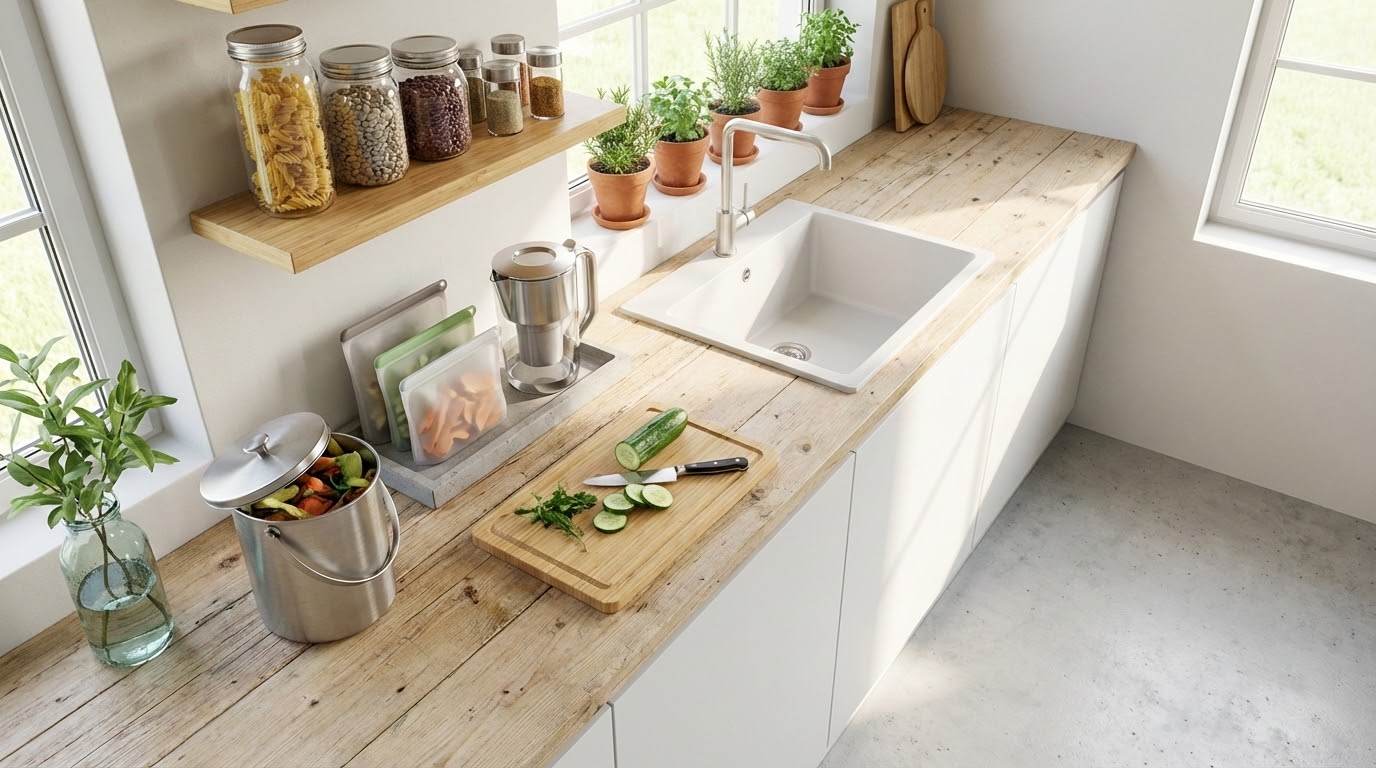
    Glass jars from pasta sauce or pickles are perfect for this. They offer a safe, free way to store your dry goods. Giving these jars a new purpose extends their life and keeps your food fresh.

    Get creative with repurposing. A beautiful wine bottle can become a stylish dispenser for olive oil. Old containers can find new roles as planters or compost collectors.

    Beyond glass, consider other durable materials for food storage. Stainless steel, silicone, and bamboo are excellent plastic-free choices. These containers are versatile for pantry organization, leftovers, and freezing.

    It’s also a smart health choice. Some plastic containers can leach chemicals into your food over time. Transitioning to safer alternatives protects your well-being.

    Prepping To-Go Meals with Eco-Friendly Options

    Taking meals on the go doesn’t have to mean contributing to the growing plastic pollution problem. Single-use takeaway packaging ranks as the third-largest category of ocean plastic. This makes your lunch choices more important than you might think.

    Reusable containers offer a simple solution that dramatically cuts down on waste. Stainless steel bento boxes, bamboo containers, and trusty glass jars keep food fresh without creating trash. These durable options work beautifully for everything from salads to soups.

    For wrapping sandwiches or covering bowls, consider beeswax wraps or vegan alternatives. They’re washable, reusable, and compostable at the end of their long life. This swap eliminates the need for plastic wrap entirely.

    Ditch disposable plastic bags for reusable silicone versions like Stasher bags. They’re perfect for snacks, sandwiches, and even freezer storage. Their durability makes them a smart investment that pays off over time.

    Get creative with mason jars for layered salads, overnight oats, or colorful grain bowls. These versatile containers make meal prep visually appealing and practical. They’re perfect for transporting your favorite dishes.

    Keeping a set of reusable containers, utensils, and cloth napkins in your car or work bag ensures you’re always prepared. This simple habit helps you refuse disposable options when eating out. Small changes like this add up to significant waste reduction over time.

    Stocking Up with Reusable Produce Bags

    Many shoppers overlook a simple opportunity to reduce plastic waste in the produce aisle. Those thin plastic bags seem convenient, but they’re actually optional. You don’t need to use them for your fruits and vegetables.

    Reusable produce bags offer a better way to shop. Made from lightweight materials like organic cotton mesh, they barely add any weight at checkout. These washable alternatives are durable and practical for regular use.

    For items with natural peels like bananas or oranges, you can skip bags entirely. Just place them directly in your cart. Bringing your own bags also has hygiene benefits since store bags get handled by many people.

    Start with about five bags in different sizes. This versatile set handles various shopping needs beautifully. They’re great for bulk items, travel organization, or carrying snacks.

    Keep your produce bags inside your main shopping tote. This simple habit ensures you never forget them. Making the sustainable choice becomes effortless every time you visit the store.

    Minimizing Waste with Reusable Paper Towels & Cleaning Tools

    Switching from disposable to reusable cleaning tools offers both environmental and financial benefits. Americans generate a staggering 3.8 million tons of paper towel waste annually according to EPA data. This represents a significant opportunity for reducing household trash.

    Swedish dishcloths serve as excellent alternatives to traditional paper products. One cloth can absorb the equivalent of 17 rolls of paper towels. When it eventually wears out, this plant-based cellulose product can be composted.

    Multiple reusable options exist for different cleaning needs. Consider cloth napkins, tea towels, or rags made from old t-shirts. Some people even use “unpaper towels” that snap onto a roll for convenience.

    The financial savings add up quickly over time. The average person uses about 80 rolls of paper towels each year. Making this simple swap reduces both landfill waste and shopping expenses.

    Beyond towels, consider natural cleaning tools as well. Wooden dish brushes and coconut fiber scrubbers work effectively. These natural options don’t shed microplastics into waterways like conventional plastic sponges.

    Maintaining reusable cloths is straightforward. Keep a designated bin for dirty cleaning rags. Wash them regularly and have enough on hand to rotate throughout the week.

    Turning Food Scraps into Sustainable Assets

    It might surprise you to learn that food scraps make up a staggering 16.5% of all landfill waste in the United States. When this organic matter decomposes without oxygen, it releases methane. This greenhouse gas is 25 times more potent than carbon dioxide.

    Before composting, get creative with repurposing. You can regrow green onions by placing the root ends in a glass of water. Collect vegetable peels and ends in a freezer container.

    Once full, boil these ingredients to create a flavorful homemade stock. This is a fantastic way to use every part of your produce.

    Other scraps have unexpected uses. Citrus peels can infuse vinegar for a natural cleaning solution. Soaking banana peels in water creates a potassium-rich fertilizer for plants.

    For scraps you can’t repurpose, composting is the ultimate solution. This process transforms waste into nutrient-rich food for your garden. Start with a small container on your counter to collect scraps as you cook.

    Choose a system that fits your life, like an outdoor compost bin or a tumbler. If home composting isn’t possible, check for local community programs. They often accept food scraps.

    Embrace recipes that use typically discarded parts. Roasted cauliflower leaves are a delicious treat. Finding a way to use every last piece is a rewarding step in reducing waste.

    Sustainably Satisfying Your Beverage Routine

    Your morning coffee or tea ritual can easily align with your eco-friendly goals. For coffee lovers, this doesn’t mean giving up your brew. It means ditching single-use pods, which even their inventor regrets.

    Start by buying whole beans in bulk. Grind them fresh at home using a manual grinder. Then, brew with a plastic-free method like a French press.

    Used coffee grounds are a fantastic resource. Toss them directly into your compost or garden soil. They act as a natural fertilizer that worms love.

    Always carry a reusable thermos for your on-the-go drinks. This simple habit cuts down on disposable cup waste significantly.

    For tea drinkers, choose loose-leaf varieties over bagged options. Many tea bags contain plastic and can release microplastics into your drink.

    Use a stainless steel kettle to boil water and a reusable infuser to steep your leaves. This avoids plastic contact and reduces electronic waste.

    After enjoying your cup, compost the used tea leaves. You can even explore making homemade infusions or cold brew to further reduce packaging.

    Incorporating Recycling and Second-Hand Solutions

    The journey toward a more eco-friendly home involves understanding that recycling, while important, should be our final option rather than our primary strategy. The five principles of sustainable living follow a specific order: refuse, reduce, reuse, rot, and recycle.

    Recycling comes last because it doesn’t solve the root of the plastic waste problem. Many materials have low recycling rates, making prevention through the first four Rs more effective.

    Despite our best efforts, some packaging and plastic waste is currently unavoidable. When this happens, responsible recycling becomes our essential last resort. Always check your local municipality’s guidelines since rules vary significantly.

    Proper sorting and cleaning containers prevents food contamination that can ruin entire recycling batches. Plastic recycling presents particular challenges – black plastic from takeout containers often isn’t recyclable at all.

    For items your local program won’t accept, services like TerraCycle offer solutions. They handle difficult materials like batteries, lightbulbs, and electronic waste through mail-back programs.

    Remember that items are only “single-use” if you use them once. Wash and reuse plastic bags and containers until they’re no longer functional. This extends their life and reduces demand for new plastic.

    When you need new items like dishes or cookware, consider second-hand options first. Support brands with take-back programs, and ensure proper disposal to keep materials out of landfills.

    Designing a Minimalist, Zero Waste Kitchen Layout

    Thoughtful organization can transform how you interact with food and reduce waste naturally. A truly sustainable space isn’t just about the products you choose. It’s about creating a design that prevents waste before it happens.

    Adopt a minimalist mindset toward gadgets and tools. Most single-purpose items are unnecessary when basic tools work just as well. Follow two simple rules: if you don’t need it, don’t buy it. If you do purchase something, choose quality items that will last for years.

    Your refrigerator organization plays a huge role in reducing food waste. Make sure you can see everything when you open the door. Create a “Must Eat Now” shelf for items nearing their expiration date.

    Proper storage extends the life of your groceries. Store carrots in water to maintain crispness. Keep ethylene-producing fruits away from sensitive vegetables. Avoid refrigerating citrus fruits for better flavor.

    A clean, uncluttered space not only looks appealing but functions more efficiently. This makes it easier to maintain your sustainable habits over time. Simple design choices support your waste reduction goals beautifully.

    Conclusion

    Remember that every mindful choice you make adds up to a greener, more efficient living space. Your cooking area, as the heart of the home, offers the greatest opportunity for positive change.

    This transformation is a personal journey, not a race. Focus on progress, not perfection. Start with one or two simple swaps that feel right for your life.

    These small steps save money over time and collectively reduce landfill waste. You have the power to create a beautiful, functional space that supports your values.

    What sustainable change will you try first? Share your experiences and inspire others on this rewarding path.

    FAQ

    What exactly is a zero-waste kitchen?

    A zero-waste kitchen is a space designed to drastically cut down on trash sent to the landfill. It focuses on preventing waste from entering your home in the first place. This means choosing items with minimal or no packaging, reusing containers, and finding creative uses for food scraps, like composting. The goal is to create a closed-loop system right in your home.

    Where is the best place to start when trying to reduce kitchen waste?

    A fantastic first step is to tackle your shopping habits. Bring your own reusable produce bags and containers to stores that offer bulk bins. Buying staples like rice, beans, and spices in bulk cuts out a huge amount of plastic and cardboard packaging. This simple change makes a big impact on your household’s overall waste.

    How can I deal with vegetable peels and other food scraps?

    Don’t toss those peels and ends! They are valuable resources. You can save them in a bag in the freezer to make a delicious homemade vegetable stock. For items you can’t use, like coffee grounds or eggshells, start a compost bin. Composting turns these scraps into nutrient-rich soil for your plants, completing the cycle of sustainable living.

    What are some easy swaps for single-use items like paper towels?

    You can easily replace paper towels with reusable cloths or rags. Old t-shirts or towels make excellent cleaning cloths. For wrapping food or covering bowls, consider beeswax wraps or silicone lids instead of plastic wrap. These swaps are not only better for the planet but also save you money over time.

    Can I still enjoy beverages like coffee and tea in a low-waste way?

    Absolutely! For coffee, opt for a reusable filter with ground beans instead of single-use pods. Loose-leaf tea is a great alternative to tea bags, which often contain plastic. Use a stainless-steel strainer or a compostable tea bag. These small changes help reduce a significant amount of daily trash from your beverage routine.

  • Smart Home Technology for Sustainability: Devices That Save Energy and Money

    Smart Home Technology for Sustainability: Devices That Save Energy and Money

    Welcome to a world where modern living meets environmental responsibility. Innovative gadgets are transforming how we interact with our living spaces. These tools offer a powerful combination of convenience and cost reduction.

    This technology lets you monitor and control household functions with ease. You can automate tasks like adjusting the temperature or turning off appliances. This intelligent management leads to more efficient resource use.

    The adoption of these systems is growing rapidly. Experts project over 670 million households worldwide will use them by 2027. This represents a massive shift towards more conscious consumption.

    This guide explores the essential gadgets that deliver real financial and ecological benefits. We will cover everything from intelligent climate control to advanced lighting systems. You will discover practical strategies for your own residence.

    Whether you are new to this concept or looking to enhance your current setup, you will find valuable advice. The goal is to help you reduce monthly expenses while minimizing your environmental impact. Joining this movement makes sustainability simple and rewarding.

    Key Takeaways

    • Modern devices help manage your house more efficiently.
    • Automation features reduce waste without constant effort.
    • These systems are becoming popular in millions of residences globally.
    • Practical tools can lower your utility costs significantly.
    • Adopting this tech supports a healthier planet.
    • Our guide provides actionable steps for immediate benefits.

    Introduction to Smart Home Sustainability

    Contemporary technology enables households to achieve both financial benefits and environmental responsibility simultaneously. This approach creates living spaces that are comfortable while being gentle on your budget and the planet.

    The relationship between connected technology and resource conservation is simple. When you can monitor and control exactly how your residence uses power, you eliminate waste. This leads to better efficiency and meaningful savings.

    Many people choose smart systems specifically for their efficiency benefits. They expect lower electricity bills and reduced heating costs. These systems work continuously, making small adjustments that add up to significant reductions in household consumption.

    The sustainability aspect extends beyond just financial gains. It’s about minimizing your environmental impact by using fewer resources. Research shows most current users are only achieving a fraction of the potential benefits available.

    Understanding these fundamentals helps you make informed decisions about which strategies work best for your situation. Connected residences represent a win-win scenario where advanced technology supports ecological responsibility.

    Guide to Smart Home Energy Saving

    The path to significant utility savings begins with identifying your household’s consumption patterns. Most residences see the highest usage from climate control systems and lighting. Targeting these areas first delivers the quickest results.

    Successful efficiency comes from creating an integrated network where gadgets communicate. They work together to optimize your entire living space. This coordinated approach prevents wasted power throughout the day.

    Start by deploying devices that monitor and schedule high-consumption tasks. Run appliances during off-peak hours when electricity rates drop. This simple strategy can substantially reduce monthly bills.

    Your automated system makes countless small adjustments automatically. It dims lights when sunlight is sufficient and adjusts temperatures in unused rooms. These micro-changes add up to meaningful conservation.

    Begin with just one or two devices and expand gradually. Many people see noticeable savings within the first month. The process continues as you learn from usage patterns and fine-tune your approach.

    Remember that efficiency isn’t a one-time setup. It’s an ongoing journey of optimization. Each adjustment brings you closer to maximum savings and minimal environmental impact.

    Optimizing Energy Consumption with Smart Devices

    Modern technology offers unprecedented insight into how your living space consumes electricity throughout the day. Connected gadgets provide detailed tracking of power usage across different areas. This visibility reveals opportunities that were previously invisible.

    The biggest impact often comes from climate control systems. Heating and cooling account for over half of a typical American residence’s energy consumption. Targeting this area delivers substantial results quickly.

    These intelligent tools monitor usage patterns in real-time. They automatically adjust settings to eliminate waste while maintaining comfort. This continuous optimization happens without constant manual intervention.

    Over time, you’ll discover surprising patterns in your consumption data. You might find unused rooms being conditioned unnecessarily. Or appliances drawing power when not in active use.

    The true power emerges when devices work together as an integrated system. They share information and coordinate actions to minimize overall household energy consumption. This collaborative approach maximizes efficiency.

    Tracking usage across different times and seasons helps identify peak periods. You can then adjust habits or automation settings accordingly. The system becomes increasingly effective as it learns your preferences.

    Effective management isn’t about sacrificing comfort. It’s about using technology to maintain your desired lifestyle while eliminating wasteful consumption. The optimization process continues improving over time.

    Automating Lighting Controls for Efficiency

    Lighting automation transforms how we illuminate our living spaces with intelligent efficiency. This approach goes beyond simple on/off switches. It creates systems that respond to your presence and preferences automatically.

    Traditional bulbs waste significant power compared to modern alternatives. LED technology built into automated lights uses up to 90% less electricity. They also last decades longer than conventional options.

    These devices offer remarkable flexibility through smartphone applications. You can adjust brightness or color temperature from anywhere. This precise control eliminates unnecessary usage throughout your residence.

    Geofencing technology represents a breakthrough in home automation. Your phone’s location triggers lights to turn off when everyone leaves. The system ensures no illumination wastes power in empty rooms.

    Motion sensors provide another layer of intelligent control. They detect movement and illuminate spaces only when needed. Lights automatically dim or switch off after detecting vacancy.

    You can program lighting schedules that match daily routines. Morning lights gradually brighten to simulate sunrise. Evening illumination dims automatically for relaxation and power conservation.

    Enhancing Heating and Cooling Efficiency

    Managing your indoor climate efficiently represents one of the most impactful changes you can make. According to the US Department of Energy, heating and cooling account for up to 55% of total household consumption. This makes temperature control your biggest opportunity for meaningful reductions.

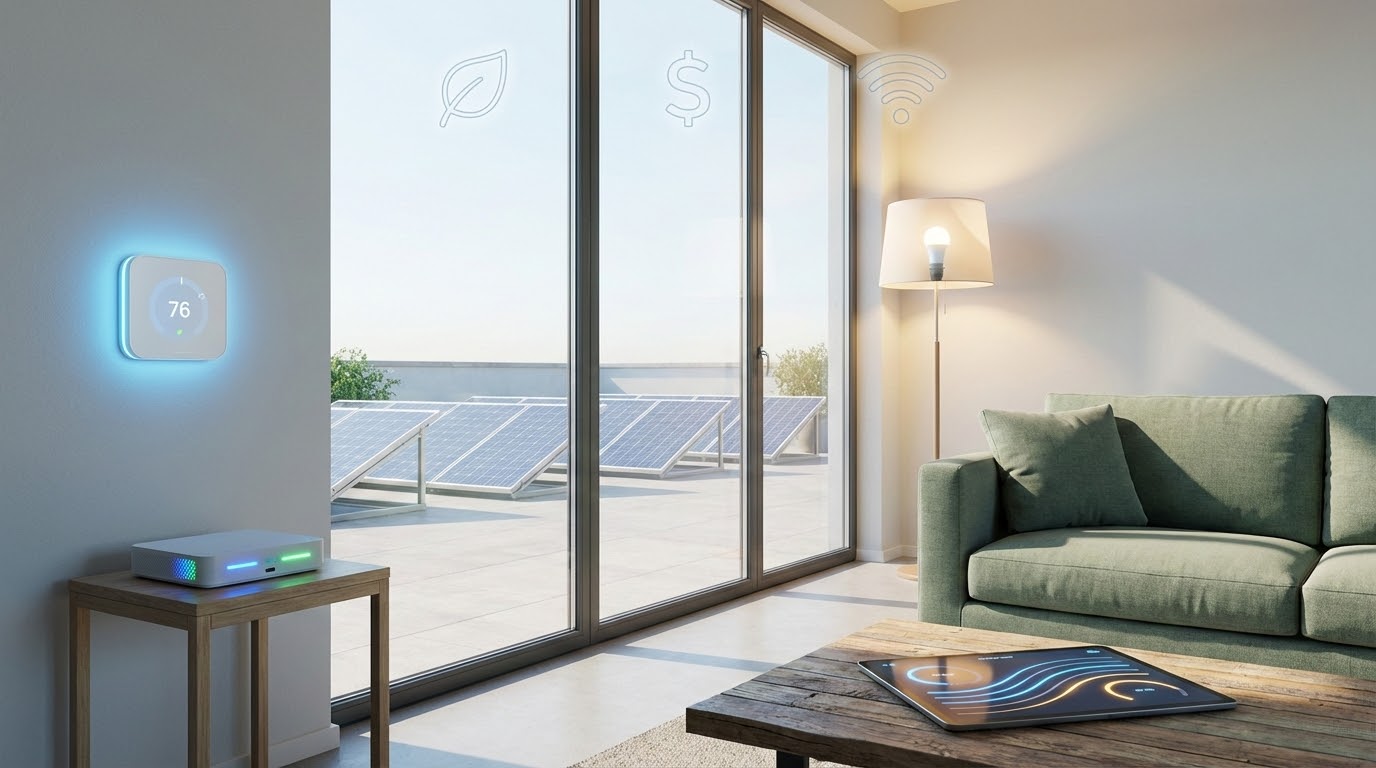
    A quality smart thermostat serves as the foundation for efficient climate management. These devices provide precise control over when and how your heating and cooling systems operate. They eliminate the waste common with traditional thermostats through intelligent programming.

    The Ecobee Smart Thermostat Premium stands out with its remote temperature-and-presence sensors. These sensors monitor conditions throughout different rooms, balancing comfort across your entire living space. This solves the problem of hot and cold spots while preventing over-conditioning unused areas.

    Smart ceiling fans complement your thermostat beautifully. They help rooms feel about four degrees warmer or colder without adjusting the actual temperature. The Department of Energy confirms that using fans strategically lets you raise your thermostat setting by 4°F in summer without comfort loss.

    Geofencing technology takes automation further by detecting when you’re away. Your system adjusts temperatures accordingly, then prepares your space before you return. This approach maintains perfect comfort while maximizing efficiency throughout the day.

    Reducing Energy Vampires with Smart Plugs and Outlets

    Many household gadgets quietly drain electricity even when switched off. These “energy vampires” account for nearly 14% of annual power costs in American residences. That’s money disappearing while you aren’t even using your devices.

    Smart plugs offer a simple defense against this waste. They give you complete control over when appliances can draw electricity. You can cut power completely when electronics aren’t in use.

    These affordable tools are among the cheapest efficiency devices available. They transform ordinary appliances into connected gadgets. Control them remotely from your phone with ease.

    Set schedules for your entertainment center to power down at night. Program your coffee maker to turn off after morning brewing. Geofencing automatically switches everything off when you leave.

    Many models include energy monitoring features. They identify which appliances consume the most electricity. This data helps you make informed decisions about usage.

    Smart outlets provide the same functionality with a built-in look. They install directly into your walls like regular outlets. Both options use minimal power themselves while saving significantly more.

    Place these plugs on your biggest electricity drains. Target home entertainment systems and computer setups. You’ll eliminate vampire waste without changing your lifestyle.

    Water Conservation and Smart Leak Detection

    Hidden leaks and inefficient water usage quietly drain both resources and finances from American households. The Environmental Protection Agency reports that typical residences waste nearly 10,000 gallons annually through leaks alone. About 10% of properties have issues wasting 90 gallons or more daily.

    Advanced detection technology offers powerful protection against this silent waste. These innovative devices monitor water flow in real-time and send immediate alerts when problems arise. This early warning system prevents minor issues from becoming costly disasters.

    Fixing household leaks can reduce water bills by approximately 10%. Many detection systems pay for themselves quickly through these savings. Some models even automatically shut off water supply when major leaks occur.

    Smart irrigation controllers represent another valuable conservation tool. They schedule watering based on actual lawn needs and weather conditions. These systems automatically skip sessions when rain provides natural irrigation.

    Water conservation devices complete a comprehensive efficiency approach for any residence. They protect your investment while reducing environmental impact. This creates a complete system addressing both utility usage areas.

    Smart Appliances for Combined Energy and Water Savings

    Upgrading your kitchen and laundry room with connected appliances delivers a powerful double benefit. These advanced units optimize both electricity and water use simultaneously. You get superior cleaning performance while reducing resource consumption.

    Dishwashers and washing machines are perfect candidates for this upgrade. They handle tasks that require both power and water. Modern versions use sensors to adjust cycles based on load size and soil level.

    Look for Energy Star certification when selecting new appliances. This verification ensures they meet strict efficiency standards. You can trust they’ll deliver the promised conservation benefits.

    Many connected models can schedule operations during off-peak hours. This feature takes advantage of lower electricity rates. You save money without changing your daily routine.

    Smartphone apps provide complete control over these devices. Monitor cycles remotely and receive completion alerts. Some even offer diagnostic features to prevent major repairs.

    While the initial investment may be higher, the long-term value is clear. Reduced utility costs and extended lifespans make them worthwhile. Integrating them with your broader system creates even greater efficiency.

    Implementing a Compatibility Plan for Device Integration

    Planning your device ecosystem before purchasing prevents compatibility headaches. Start by listing all the gadgets you want in your automated residence. Include everything from voice assistants to security systems.

    Research whether these devices will communicate effectively. Some platforms work beautifully together while others create isolated technology islands. For example, Amazon Echo connects with ADT security but not Google Nest cameras.

    Compatibility matters because integrated systems share data to optimize performance. Your thermostat can talk to occupancy sensors. Lighting can respond to security status.

    This coordination eliminates waste across your entire living space. Incompatible gadgets work fine alone but miss efficiency opportunities.

    Check compatibility lists from major platforms like Apple HomeKit and Samsung SmartThings. This research might seem tedious but saves money long-term.

    You avoid expensive bridges or workarounds for devices that won’t integrate. A solid foundation lets you expand your system seamlessly over time.

    Thoughtful planning creates a harmonious ecosystem rather than frustrating technology conflicts. Your automated residence becomes more convenient and effective.

    Automating Your Home for Energy and Cost Efficiency

    The true power of your automated residence emerges when devices collaborate. They share information and coordinate actions to optimize your entire living space. This teamwork creates efficiency that individual gadgets cannot achieve alone.

    Setting up automation schedules is simple and effective. You program your preferences for different times of day. Lights can dim in the evening, and temperatures adjust overnight automatically.

    Machine learning takes your systems to the next level. They observe your patterns and adapt settings accordingly. This intelligent control reduces waste without constant manual input.

    Regular review of your consumption data keeps everything optimized. Check your settings monthly to ensure they match your current routine. Small adjustments prevent outdated patterns from wasting resources.

    Voice commands offer convenience but use power with each interaction. For routine tasks, scheduled automation often proves more efficient. Your systems work quietly in the background, making countless adjustments that add up to significant savings.

    Evaluating and Updating Smart Device Firmware

    Your automated devices need regular software care to maintain peak performance. Firmware serves as the essential programming that controls how your gadgets operate. It enables communication between different systems in your residence.

    Manufacturers frequently release updates to improve functionality. These enhancements fix bugs and add valuable new features. More importantly, they often include optimizations that boost efficiency.

    Many people ignore update notifications due to frequent releases. This means missing out on improvements that could benefit you immediately. Enabling automatic updates removes the manual maintenance burden.

    Your systems will always run the latest software versions. This ensures compatibility as platforms evolve over time. Regular updates also protect against security vulnerabilities.

    Think of firmware updates as free performance upgrades. They keep your investment working at maximum efficiency. Staying current ensures you receive all available improvements.

    Building a Robust Smart Home Network for Optimal Performance

    The performance of your entire automated ecosystem depends on network stability. Think of your Wi-Fi as the invisible foundation that supports all your gadgets. Without reliable connectivity, even the best devices cannot deliver the efficiency you expect.

    When your systems start acting sluggish, it’s often a network issue. Slow responses and frequent disconnections signal infrastructure problems. Older routers struggle with the growing number of connected devices in modern homes.

    Invest in sufficient bandwidth to prevent overcrowding. A high-quality router makes a significant difference in performance. Position this equipment centrally, away from obstructions for better signal distribution.

    Mesh Wi-Fi systems work wonders for larger spaces. They create a seamless blanket of coverage that eliminates dead zones. This ensures all your devices maintain stable connections throughout your residence.

    Choose energy-efficient network equipment when possible. These models deliver strong performance while minimizing their own power consumption. This contributes to your overall efficiency goals.

    A robust network might require upfront investment, but it pays off long-term. Your automated systems will communicate effectively and respond instantly. This coordination is essential for achieving maximum performance.

    Leveraging Clean Energy to Boost Smart Home Savings

    Taking your efficiency efforts to the next level involves considering where your power comes from. Clean sources like solar and nuclear offer significant advantages for homeowners. They provide stable pricing while reducing environmental impact.

    Solar panels have become increasingly accessible for residential use. When combined with your automated systems, they create a powerful sustainability partnership. Your devices can schedule high-consumption tasks for peak production times.

    Clean energy encompasses various low-carbon options beyond solar. Wind, hydroelectric, and carbon-free nuclear power all contribute to a greener grid. Many utility companies now offer clean energy plans that require no equipment installation.

    The combination creates a multiplier effect on your savings. You’re using less electricity through efficient management. The power you do consume comes from cleaner sources.

    Some advanced systems can communicate with solar panels and batteries. They intelligently decide when to use stored energy versus grid power. This optimization happens automatically throughout the day.

    Choosing clean energy supports broader community benefits too. You’re helping build sustainable infrastructure for everyone. This approach represents the future of responsible residential living.

    Conclusion

    Your journey toward a more efficient and environmentally conscious residence begins with simple, automated solutions. Once you set up your devices, they work continuously to optimize your living space.

    The beauty of this approach is how effortlessly it delivers results. You won’t need to remember adjustments because your systems handle everything automatically. This creates meaningful financial benefits while supporting sustainable living.

    Homeowners discover that comfort and conservation work together beautifully. The same technology that reduces consumption also enhances daily convenience. Your investment pays dividends through lower bills and reduced environmental impact.

    Every step you take moves you closer to a more responsive and cost-effective living environment. Join the millions who are proving that intelligent technology creates better homes for everyone.

    FAQ

    How much can I really save on my electricity bill with these gadgets?

    Many households see a noticeable drop in their power costs. A Nest Learning Thermostat, for example, can help cut heating and cooling expenses. The exact amount you save depends on your current usage and which appliances you automate.

    Will I need to replace all my existing appliances?

    A> Not at all! You can start small. Smart plugs from brands like TP-Link Kasa let you control lamps and other electronics without buying new ones. It’s a great first step toward a more efficient household.

    Is it complicated to set up a system that manages consumption?

    A> Most modern devices are designed for easy DIY installation. Systems like Samsung SmartThings or Amazon Alexa offer simple apps that guide you through connecting your lights and thermostat. You can often get everything talking in an afternoon.

    Can these systems help if I’m not home during the day?

    A> Absolutely! That’s one of the biggest benefits. You can program your Ecobee thermostat to lower the temperature when the house is empty. Your Philips Hue lights can turn on at sunset to make it look like someone is there, all while saving money.

    What about security? Are my preferences and usage data safe?

    A> Reputable companies take data protection seriously. Always choose devices from trusted brands like Google or Apple, use strong passwords, and regularly update your device firmware to keep your information and control secure.

    Do I need a special hub to make everything work together?

    A> It depends on the gadgets you choose. Some, like many Wi-Fi plugs, connect directly to your router. Others, like a suite of Zigbee sensors, might work best with a central hub like a Hubitat Elevation for faster, more reliable automation.