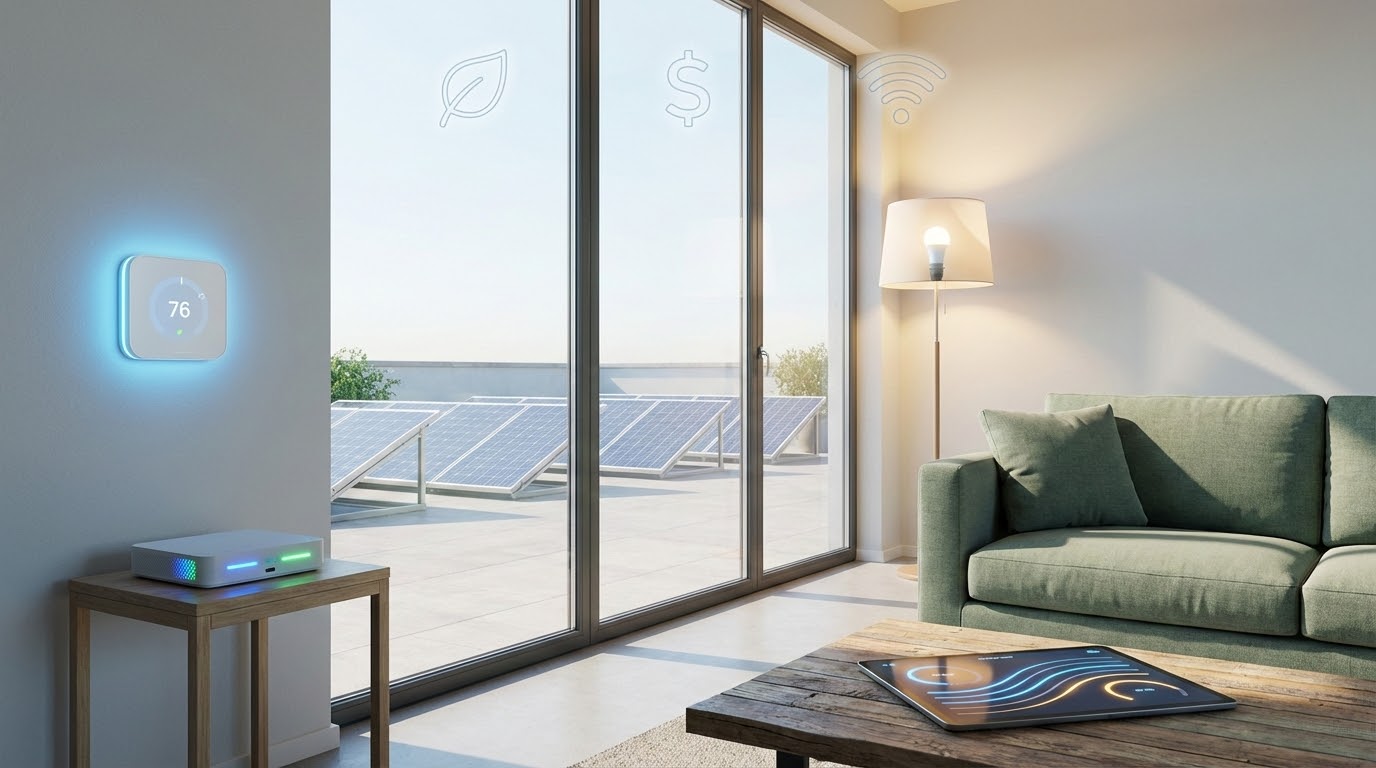
Welcome to a world where modern living meets environmental responsibility. Innovative gadgets are transforming how we interact with our living spaces. These tools offer a powerful combination of convenience and cost reduction.
This technology lets you monitor and control household functions with ease. You can automate tasks like adjusting the temperature or turning off appliances. This intelligent management leads to more efficient resource use.
The adoption of these systems is growing rapidly. Experts project over 670 million households worldwide will use them by 2027. This represents a massive shift towards more conscious consumption.
This guide explores the essential gadgets that deliver real financial and ecological benefits. We will cover everything from intelligent climate control to advanced lighting systems. You will discover practical strategies for your own residence.
Whether you are new to this concept or looking to enhance your current setup, you will find valuable advice. The goal is to help you reduce monthly expenses while minimizing your environmental impact. Joining this movement makes sustainability simple and rewarding.
Key Takeaways
- Modern devices help manage your house more efficiently.
- Automation features reduce waste without constant effort.
- These systems are becoming popular in millions of residences globally.
- Practical tools can lower your utility costs significantly.
- Adopting this tech supports a healthier planet.
- Our guide provides actionable steps for immediate benefits.
Introduction to Smart Home Sustainability
Contemporary technology enables households to achieve both financial benefits and environmental responsibility simultaneously. This approach creates living spaces that are comfortable while being gentle on your budget and the planet.
The relationship between connected technology and resource conservation is simple. When you can monitor and control exactly how your residence uses power, you eliminate waste. This leads to better efficiency and meaningful savings.
Many people choose smart systems specifically for their efficiency benefits. They expect lower electricity bills and reduced heating costs. These systems work continuously, making small adjustments that add up to significant reductions in household consumption.
The sustainability aspect extends beyond just financial gains. It’s about minimizing your environmental impact by using fewer resources. Research shows most current users are only achieving a fraction of the potential benefits available.
Understanding these fundamentals helps you make informed decisions about which strategies work best for your situation. Connected residences represent a win-win scenario where advanced technology supports ecological responsibility.
Guide to Smart Home Energy Saving
The path to significant utility savings begins with identifying your household’s consumption patterns. Most residences see the highest usage from climate control systems and lighting. Targeting these areas first delivers the quickest results.
Successful efficiency comes from creating an integrated network where gadgets communicate. They work together to optimize your entire living space. This coordinated approach prevents wasted power throughout the day.
Start by deploying devices that monitor and schedule high-consumption tasks. Run appliances during off-peak hours when electricity rates drop. This simple strategy can substantially reduce monthly bills.
Your automated system makes countless small adjustments automatically. It dims lights when sunlight is sufficient and adjusts temperatures in unused rooms. These micro-changes add up to meaningful conservation.
Begin with just one or two devices and expand gradually. Many people see noticeable savings within the first month. The process continues as you learn from usage patterns and fine-tune your approach.
Remember that efficiency isn’t a one-time setup. It’s an ongoing journey of optimization. Each adjustment brings you closer to maximum savings and minimal environmental impact.
Optimizing Energy Consumption with Smart Devices
Modern technology offers unprecedented insight into how your living space consumes electricity throughout the day. Connected gadgets provide detailed tracking of power usage across different areas. This visibility reveals opportunities that were previously invisible.
The biggest impact often comes from climate control systems. Heating and cooling account for over half of a typical American residence’s energy consumption. Targeting this area delivers substantial results quickly.
These intelligent tools monitor usage patterns in real-time. They automatically adjust settings to eliminate waste while maintaining comfort. This continuous optimization happens without constant manual intervention.
Over time, you’ll discover surprising patterns in your consumption data. You might find unused rooms being conditioned unnecessarily. Or appliances drawing power when not in active use.
The true power emerges when devices work together as an integrated system. They share information and coordinate actions to minimize overall household energy consumption. This collaborative approach maximizes efficiency.
Tracking usage across different times and seasons helps identify peak periods. You can then adjust habits or automation settings accordingly. The system becomes increasingly effective as it learns your preferences.
Effective management isn’t about sacrificing comfort. It’s about using technology to maintain your desired lifestyle while eliminating wasteful consumption. The optimization process continues improving over time.
Automating Lighting Controls for Efficiency
Lighting automation transforms how we illuminate our living spaces with intelligent efficiency. This approach goes beyond simple on/off switches. It creates systems that respond to your presence and preferences automatically.
Traditional bulbs waste significant power compared to modern alternatives. LED technology built into automated lights uses up to 90% less electricity. They also last decades longer than conventional options.
These devices offer remarkable flexibility through smartphone applications. You can adjust brightness or color temperature from anywhere. This precise control eliminates unnecessary usage throughout your residence.
Geofencing technology represents a breakthrough in home automation. Your phone’s location triggers lights to turn off when everyone leaves. The system ensures no illumination wastes power in empty rooms.
Motion sensors provide another layer of intelligent control. They detect movement and illuminate spaces only when needed. Lights automatically dim or switch off after detecting vacancy.
You can program lighting schedules that match daily routines. Morning lights gradually brighten to simulate sunrise. Evening illumination dims automatically for relaxation and power conservation.
Enhancing Heating and Cooling Efficiency
Managing your indoor climate efficiently represents one of the most impactful changes you can make. According to the US Department of Energy, heating and cooling account for up to 55% of total household consumption. This makes temperature control your biggest opportunity for meaningful reductions.
A quality smart thermostat serves as the foundation for efficient climate management. These devices provide precise control over when and how your heating and cooling systems operate. They eliminate the waste common with traditional thermostats through intelligent programming.
The Ecobee Smart Thermostat Premium stands out with its remote temperature-and-presence sensors. These sensors monitor conditions throughout different rooms, balancing comfort across your entire living space. This solves the problem of hot and cold spots while preventing over-conditioning unused areas.
Smart ceiling fans complement your thermostat beautifully. They help rooms feel about four degrees warmer or colder without adjusting the actual temperature. The Department of Energy confirms that using fans strategically lets you raise your thermostat setting by 4°F in summer without comfort loss.
Geofencing technology takes automation further by detecting when you’re away. Your system adjusts temperatures accordingly, then prepares your space before you return. This approach maintains perfect comfort while maximizing efficiency throughout the day.
Reducing Energy Vampires with Smart Plugs and Outlets
Many household gadgets quietly drain electricity even when switched off. These “energy vampires” account for nearly 14% of annual power costs in American residences. That’s money disappearing while you aren’t even using your devices.
Smart plugs offer a simple defense against this waste. They give you complete control over when appliances can draw electricity. You can cut power completely when electronics aren’t in use.
These affordable tools are among the cheapest efficiency devices available. They transform ordinary appliances into connected gadgets. Control them remotely from your phone with ease.
Set schedules for your entertainment center to power down at night. Program your coffee maker to turn off after morning brewing. Geofencing automatically switches everything off when you leave.
Many models include energy monitoring features. They identify which appliances consume the most electricity. This data helps you make informed decisions about usage.
Smart outlets provide the same functionality with a built-in look. They install directly into your walls like regular outlets. Both options use minimal power themselves while saving significantly more.
Place these plugs on your biggest electricity drains. Target home entertainment systems and computer setups. You’ll eliminate vampire waste without changing your lifestyle.
Water Conservation and Smart Leak Detection
Hidden leaks and inefficient water usage quietly drain both resources and finances from American households. The Environmental Protection Agency reports that typical residences waste nearly 10,000 gallons annually through leaks alone. About 10% of properties have issues wasting 90 gallons or more daily.
Advanced detection technology offers powerful protection against this silent waste. These innovative devices monitor water flow in real-time and send immediate alerts when problems arise. This early warning system prevents minor issues from becoming costly disasters.
Fixing household leaks can reduce water bills by approximately 10%. Many detection systems pay for themselves quickly through these savings. Some models even automatically shut off water supply when major leaks occur.
Smart irrigation controllers represent another valuable conservation tool. They schedule watering based on actual lawn needs and weather conditions. These systems automatically skip sessions when rain provides natural irrigation.
Water conservation devices complete a comprehensive efficiency approach for any residence. They protect your investment while reducing environmental impact. This creates a complete system addressing both utility usage areas.
Smart Appliances for Combined Energy and Water Savings
Upgrading your kitchen and laundry room with connected appliances delivers a powerful double benefit. These advanced units optimize both electricity and water use simultaneously. You get superior cleaning performance while reducing resource consumption.
Dishwashers and washing machines are perfect candidates for this upgrade. They handle tasks that require both power and water. Modern versions use sensors to adjust cycles based on load size and soil level.
Look for Energy Star certification when selecting new appliances. This verification ensures they meet strict efficiency standards. You can trust they’ll deliver the promised conservation benefits.
Many connected models can schedule operations during off-peak hours. This feature takes advantage of lower electricity rates. You save money without changing your daily routine.
Smartphone apps provide complete control over these devices. Monitor cycles remotely and receive completion alerts. Some even offer diagnostic features to prevent major repairs.
While the initial investment may be higher, the long-term value is clear. Reduced utility costs and extended lifespans make them worthwhile. Integrating them with your broader system creates even greater efficiency.
Implementing a Compatibility Plan for Device Integration
Planning your device ecosystem before purchasing prevents compatibility headaches. Start by listing all the gadgets you want in your automated residence. Include everything from voice assistants to security systems.
Research whether these devices will communicate effectively. Some platforms work beautifully together while others create isolated technology islands. For example, Amazon Echo connects with ADT security but not Google Nest cameras.
Compatibility matters because integrated systems share data to optimize performance. Your thermostat can talk to occupancy sensors. Lighting can respond to security status.
This coordination eliminates waste across your entire living space. Incompatible gadgets work fine alone but miss efficiency opportunities.
Check compatibility lists from major platforms like Apple HomeKit and Samsung SmartThings. This research might seem tedious but saves money long-term.
You avoid expensive bridges or workarounds for devices that won’t integrate. A solid foundation lets you expand your system seamlessly over time.
Thoughtful planning creates a harmonious ecosystem rather than frustrating technology conflicts. Your automated residence becomes more convenient and effective.
Automating Your Home for Energy and Cost Efficiency
The true power of your automated residence emerges when devices collaborate. They share information and coordinate actions to optimize your entire living space. This teamwork creates efficiency that individual gadgets cannot achieve alone.
Setting up automation schedules is simple and effective. You program your preferences for different times of day. Lights can dim in the evening, and temperatures adjust overnight automatically.
Machine learning takes your systems to the next level. They observe your patterns and adapt settings accordingly. This intelligent control reduces waste without constant manual input.
Regular review of your consumption data keeps everything optimized. Check your settings monthly to ensure they match your current routine. Small adjustments prevent outdated patterns from wasting resources.
Voice commands offer convenience but use power with each interaction. For routine tasks, scheduled automation often proves more efficient. Your systems work quietly in the background, making countless adjustments that add up to significant savings.
Evaluating and Updating Smart Device Firmware
Your automated devices need regular software care to maintain peak performance. Firmware serves as the essential programming that controls how your gadgets operate. It enables communication between different systems in your residence.
Manufacturers frequently release updates to improve functionality. These enhancements fix bugs and add valuable new features. More importantly, they often include optimizations that boost efficiency.
Many people ignore update notifications due to frequent releases. This means missing out on improvements that could benefit you immediately. Enabling automatic updates removes the manual maintenance burden.
Your systems will always run the latest software versions. This ensures compatibility as platforms evolve over time. Regular updates also protect against security vulnerabilities.
Think of firmware updates as free performance upgrades. They keep your investment working at maximum efficiency. Staying current ensures you receive all available improvements.
Building a Robust Smart Home Network for Optimal Performance
The performance of your entire automated ecosystem depends on network stability. Think of your Wi-Fi as the invisible foundation that supports all your gadgets. Without reliable connectivity, even the best devices cannot deliver the efficiency you expect.
When your systems start acting sluggish, it’s often a network issue. Slow responses and frequent disconnections signal infrastructure problems. Older routers struggle with the growing number of connected devices in modern homes.
Invest in sufficient bandwidth to prevent overcrowding. A high-quality router makes a significant difference in performance. Position this equipment centrally, away from obstructions for better signal distribution.
Mesh Wi-Fi systems work wonders for larger spaces. They create a seamless blanket of coverage that eliminates dead zones. This ensures all your devices maintain stable connections throughout your residence.
Choose energy-efficient network equipment when possible. These models deliver strong performance while minimizing their own power consumption. This contributes to your overall efficiency goals.
A robust network might require upfront investment, but it pays off long-term. Your automated systems will communicate effectively and respond instantly. This coordination is essential for achieving maximum performance.
Leveraging Clean Energy to Boost Smart Home Savings
Taking your efficiency efforts to the next level involves considering where your power comes from. Clean sources like solar and nuclear offer significant advantages for homeowners. They provide stable pricing while reducing environmental impact.
Solar panels have become increasingly accessible for residential use. When combined with your automated systems, they create a powerful sustainability partnership. Your devices can schedule high-consumption tasks for peak production times.
Clean energy encompasses various low-carbon options beyond solar. Wind, hydroelectric, and carbon-free nuclear power all contribute to a greener grid. Many utility companies now offer clean energy plans that require no equipment installation.
The combination creates a multiplier effect on your savings. You’re using less electricity through efficient management. The power you do consume comes from cleaner sources.
Some advanced systems can communicate with solar panels and batteries. They intelligently decide when to use stored energy versus grid power. This optimization happens automatically throughout the day.
Choosing clean energy supports broader community benefits too. You’re helping build sustainable infrastructure for everyone. This approach represents the future of responsible residential living.
Conclusion
Your journey toward a more efficient and environmentally conscious residence begins with simple, automated solutions. Once you set up your devices, they work continuously to optimize your living space.
The beauty of this approach is how effortlessly it delivers results. You won’t need to remember adjustments because your systems handle everything automatically. This creates meaningful financial benefits while supporting sustainable living.
Homeowners discover that comfort and conservation work together beautifully. The same technology that reduces consumption also enhances daily convenience. Your investment pays dividends through lower bills and reduced environmental impact.
Every step you take moves you closer to a more responsive and cost-effective living environment. Join the millions who are proving that intelligent technology creates better homes for everyone.
FAQ
How much can I really save on my electricity bill with these gadgets?
Many households see a noticeable drop in their power costs. A Nest Learning Thermostat, for example, can help cut heating and cooling expenses. The exact amount you save depends on your current usage and which appliances you automate.
Will I need to replace all my existing appliances?
A> Not at all! You can start small. Smart plugs from brands like TP-Link Kasa let you control lamps and other electronics without buying new ones. It’s a great first step toward a more efficient household.
Is it complicated to set up a system that manages consumption?
A> Most modern devices are designed for easy DIY installation. Systems like Samsung SmartThings or Amazon Alexa offer simple apps that guide you through connecting your lights and thermostat. You can often get everything talking in an afternoon.
Can these systems help if I’m not home during the day?
A> Absolutely! That’s one of the biggest benefits. You can program your Ecobee thermostat to lower the temperature when the house is empty. Your Philips Hue lights can turn on at sunset to make it look like someone is there, all while saving money.
What about security? Are my preferences and usage data safe?
A> Reputable companies take data protection seriously. Always choose devices from trusted brands like Google or Apple, use strong passwords, and regularly update your device firmware to keep your information and control secure.
Do I need a special hub to make everything work together?
A> It depends on the gadgets you choose. Some, like many Wi-Fi plugs, connect directly to your router. Others, like a suite of Zigbee sensors, might work best with a central hub like a Hubitat Elevation for faster, more reliable automation.