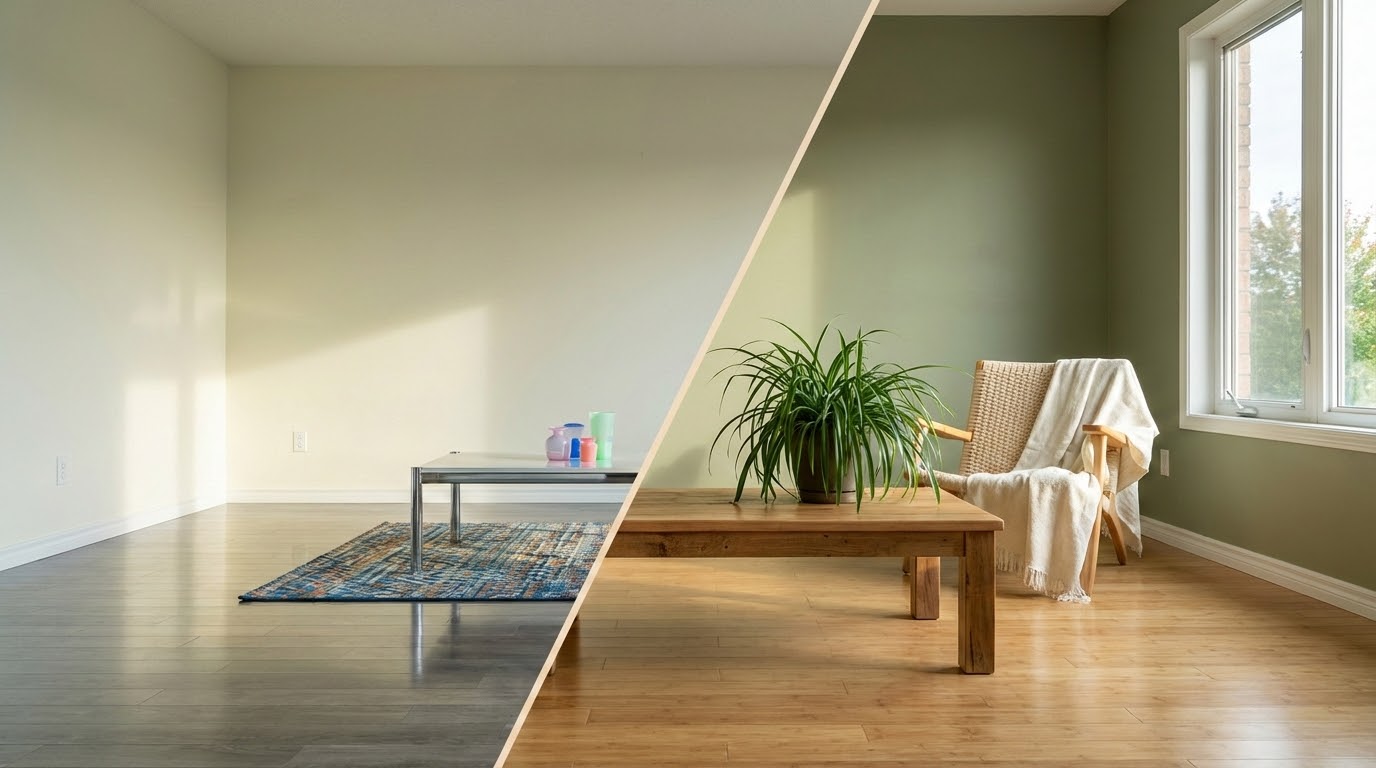
Welcome to your guide for creating a healthier living space. Many everyday items in our surroundings contain substances that can affect our wellbeing. With simple changes, you can dramatically reduce exposure to these elements.
Transforming your environment doesn’t require overhauling everything at once. Thoughtful, gradual adjustments over time make the process manageable. This approach reduces environmental toxins while improving overall health for your entire family.
This guide walks through practical ways to upgrade various areas of your dwelling. We’ll cover everything from daily-use products to the materials that surround you. Each suggestion focuses on being budget-friendly and easy to implement.
When you create a safer environment, everyone benefits. Your health improves, loved ones gain protection, and you contribute to a better world. Starting with just a few key changes can create immediate positive impacts.
The journey toward healthier living begins with understanding why these adjustments matter. We’ll provide specific product recommendations and actionable steps you can take today. Building momentum with small successes makes continued improvements feel natural.
Key Takeaways
- Simple swaps in paint, flooring, and finishes can significantly improve indoor air quality
- Gradual changes over time are more sustainable than complete overhauls
- Many common household items contain hidden substances that affect wellbeing
- Budget-friendly options exist for creating a safer living environment
- Small changes create immediate positive impacts and build momentum
- Healthier choices benefit both your family and the broader environment
- Practical, actionable steps make the transformation process manageable
Grasping the Need for a Non-Toxic Home
Many people carefully select organic foods and natural skincare, yet overlook the potential hazards within their own four walls. The items we bring into our living space impact our wellbeing just as much as personal care choices.
Shockingly, the EPA has evaluated only 200 of approximately 83,000 chemicals Americans regularly use. This regulatory gap means common household products may contain untested substances.
Cumulative exposure transforms minor contacts into significant health concerns. Day-after-year contact builds a toxic load in our bodies that can lead to various problems over time.
These chemicals enter through multiple pathways. Your skin absorbs them from laundry detergent residues. You inhale particles from cleaning sprays and air fresheners.
Understanding this reality isn’t about fear—it’s about empowerment. While we can’t control everything in our environment, our dwelling is where we have significant influence.
Making informed choices about household items creates a safer space for your family. This awareness represents the first step toward meaningful change.
Spotting Harmful Chemicals in Household Products
The ingredients list on everyday products holds clues to potential health concerns. While manufacturers aren’t always required to fully disclose all components, learning what to look for empowers you to make safer choices.
Watch for parabens, known endocrine disrupters that absorb through your skin. These chemicals can enter your bloodstream and digestive system. Also be wary of Diethanolamine (DEA), which creates sudsy cleaners but may cause skin irritation.
Triclosan appears in many soaps and detergents as an antimicrobial agent. The CDC found this chemical in over 75% of tested individuals. Similarly, the term “fragrance” can hide hundreds of undisclosed substances.
Phthalates in household detergents may damage reproductive systems. Formaldehyde, a known carcinogen, appears in various cleaners. Ammonia irritates lungs, while 2-butoxyethanol can harm vital organs.
Learning to spot these harmful chemicals by reading labels is your first step toward informed decisions. Research unfamiliar ingredients to protect your family’s wellbeing from hidden toxins.
Health-Conscious Choices: Paint, Flooring, and Finishes
The surfaces that surround us daily contribute more to our indoor environment than we might realize. Many conventional building materials release volatile organic compounds that affect the air we breathe.
Volatile organic compounds are chemicals that evaporate easily at room temperature. They come from paints, varnishes, adhesives, and various finishes. These organic compounds can contribute to poor indoor air quality over time.
Traditional paints often contain high levels of these compounds. They continue releasing fumes long after drying. This may lead to headaches, dizziness, or respiratory issues.
Choose low-VOC or zero-VOC paint options for refreshing walls. These alternatives use different materials and formulations. They minimize harmful compounds while providing excellent coverage.
Flooring choices also impact your environment. Vinyl, carpet padding, and laminate often contain VOCs. Natural materials like hardwood, bamboo, or cork offer healthier options.
For wood finishes, select natural oils or water-based polyurethane. These release fewer volatile organic compounds than solvent-based products. They protect surfaces while maintaining better air quality.
Consider using an air quality monitor like the Eve Room during projects. It tracks VOC levels in your room. This helps ensure safe conditions before extended occupancy.
Healthier materials may cost more initially but provide better long-term value. They protect your family’s wellbeing while maintaining superior indoor air quality throughout your living space.
Safer Kitchen Choices: Cookware and Food Storage
The tools we use to prepare and store our meals can significantly impact our family’s wellbeing. Your kitchen is where nourishment begins, making careful selection of these items essential.
Non-stick cookware with PTFE coatings releases harmful fumes when heated. These toxins can contaminate your food and have been linked to serious health concerns. Aluminum pots and pans may contribute to neurological issues over time.
Even copper cookware poses risks through potential heavy metal exposure. Chipped ceramic coatings can leach dangerous elements like lead into meals. Choosing safer alternatives protects your family’s health.
Excellent cookware options include food-grade stainless steel and cast iron. Glass and 100% ceramic pieces offer chemical-free cooking surfaces. These durable choices withstand daily use without compromising safety.
Food storage presents similar concerns. Plastic containers release chemicals into contents, especially with heat or acidic foods. Recent studies detected microplastics in human bloodstreams.
Switch to glass containers and stainless steel options for safer storage. Silicone bags and parchment paper provide flexible alternatives. These items prevent chemical leaching while offering versatile use.
Investing in quality kitchen items creates lasting benefits for your entire household. Making these thoughtful choices ensures your meals remain pure and wholesome.
Clean and Green: Upgrading Cleaning and Laundry Products
Your daily cleaning routine might be introducing more chemicals than cleanliness. Many conventional products contain hidden ingredients that absorb through skin and linger in the air we breathe.
Standard laundry detergents often include formaldehyde and 1,4-dioxane, both known carcinogens. They may also contain phosphates linked to heart disease and methylisothiazolinone, a neurotoxin. These chemicals transfer to clothing and create ongoing exposure.
Household cleaners present similar concerns. Ammonia irritates lungs while PERC acts as a neurotoxin. Triclosan promotes antibiotic-resistant bacteria and disrupts hormones. Manufacturers often hide these ingredients under the term “fragrance.”
Fortunately, effective alternatives exist. Molly’s Suds and Branch Basics offer safer laundry solutions. For household cleaning, Seventh Generation and Bon Ami provide reliable options without harmful chemicals.
Branch Basics offers a convenient concentrate system that adapts for different surfaces. Their oxygen boost powder handles tough stains effectively. DIY solutions using vinegar and water work wonderfully for many cleaning tasks.
Replace dryer sheets with wool dryer balls for a one-time purchase that works better. They reduce drying time and can be scented with essential oils. This simple swap eliminates another source of chemical exposure in your living space.
Rest Easy with Non-Toxic Bedding and Mattresses
Consider this: you’ll spend roughly one-third of your life in contact with your mattress and bedding. This prolonged exposure makes these items critically important for your overall health.
Most conventional mattresses contain synthetic materials and petroleum-based foam. These are often treated with flame retardants and formaldehyde-producing adhesives. Some even include pesticides for bed bug prevention.
Flame retardants can disrupt hormones and cause neurological damage. They’re known carcinogens that pose serious health risks. Pesticides in conventional cotton can lead to skin irritation and more severe conditions.
Polyurethane foam, common in many mattresses, links to cancer development. It also harbors mold and mildew. Synthetic latex releases toxic fumes over time that may contribute to health issues.
Safer alternatives include mattresses from Naturepedic, Happsy, and Avocado. My Green Mattress and Savvy Rest also offer chemical-free options. These companies prioritize safe materials and manufacturing processes.
For bedding, choose 100% natural materials like wool or organic cotton. Bamboo sets and buckwheat pillows provide excellent alternatives. These options regulate temperature better for improved sleep quality.
While organic mattresses represent a larger investment, they’re worth considering. Better sleep and reduced chemical exposure provide long-term health benefits for your entire family.
Everyday Non-Toxic Home Upgrades for a Healthier Lifestyle
The smallest daily routines often have the biggest cumulative impact on our health over time. Beyond major renovations, simple habits create significant protection for your family.
Start by leaving outdoor shoes at your entryway. This prevents tracking pesticides and herbicides from grass into your living space. It’s one of the easiest ways to reduce chemical exposure.
Consider your dinnerware carefully. A 2022 study found microplastics in 77% of participants’ blood. Even BPA-free plastic contains similarly harmful alternatives like BPS and BPF.
Switch to glass, ceramic, or stainless steel options for plates and storage containers. Replace plastic cutting boards with wooden or metal alternatives for safer food preparation.
Water quality deserves attention too. A USGS study detected PFAS chemicals in 45% of US drinking water samples. The ZeroWater 5-Stage Filter removes 100% of tested PFAS.
These everyday adjustments become natural parts of your lifestyle. They empower you to create a safer place for your loved ones through simple, conscious choices.
Enhancing Indoor Air Quality and Natural Scents
Indoor environments often trap pollutants that outdoor breezes naturally disperse. This makes ventilation a critical health consideration for your living space.
Many common scent products create hidden risks. Paraffin wax candles release carcinogenic benzene when burned. Air fresheners may contain formaldehyde and petroleum distillates.
Choose natural alternatives like beeswax candles or essential oil diffusers. These provide pleasant aromas without chemical exposure.
Proper ventilation prevents moisture buildup that damages wood and causes mold. Open windows after cooking or cleaning to refresh your air quality.
Consider investing in a HEPA air purification system. These filters capture 99.9% of pollutants including dust and VOCs.
Smart monitors like the Eve Room track indoor air quality in real time. They help you make informed choices about when to improve ventilation.
Steam cleaning offers a chemical-free alternative for maintaining surfaces. High-pressure water vapor cleans thoroughly while protecting your air quality.
Conclusion
Congratulations on investing time in learning how to protect your family’s wellbeing through better product selections. Simply reading this information represents an important first step toward creating a healthier living environment.
Remember that transforming your space is a gradual process that takes time. Start with one change that appeals most to you. Once you’ve successfully implemented it, move on to the next improvement.
Don’t feel overwhelmed by the amount of information. Every small adjustment makes a difference in your quality of life. Progress matters more than perfection in this journey.
Use this guide as a reference system whenever you’re ready to tackle another area. Each positive choice contributes to better health outcomes for your entire family. Your dwelling becomes a place where everyone can truly thrive.
FAQ
What are the easiest swaps to start with for a healthier living space?
Begin with your cleaning supplies and cookware. Switching to plant-based cleaners and stainless steel or ceramic pots and pans can quickly reduce your exposure to harmful chemicals. These changes are simple but make a big impact on your well-being.
Why is indoor air quality so important for my health?
The air inside can be more polluted than the air outdoors. Things like volatile organic compounds from paint and furniture can affect your health. Using an air purifier with a HEPA filter and choosing low-VOC finishes helps create a safer breathing environment.
How can I make my bedroom a safer place to rest?
Focus on your mattress and bedding. Look for options made with organic cotton and without added flame retardants. These materials are better for your skin and reduce your contact with unwanted compounds while you sleep.
Are there healthier options for food storage than plastic containers?
Absolutely! Glass jars and stainless steel containers are excellent choices. They don’t leach chemicals into your food and are much safer for storing meals, especially when reheating.
What should I look for when choosing new flooring?
Seek out natural materials like solid wood, bamboo, or cork. These options typically have fewer volatile organic compounds than synthetic carpets or vinyl. They also contribute to a healthier indoor environment for your family.