
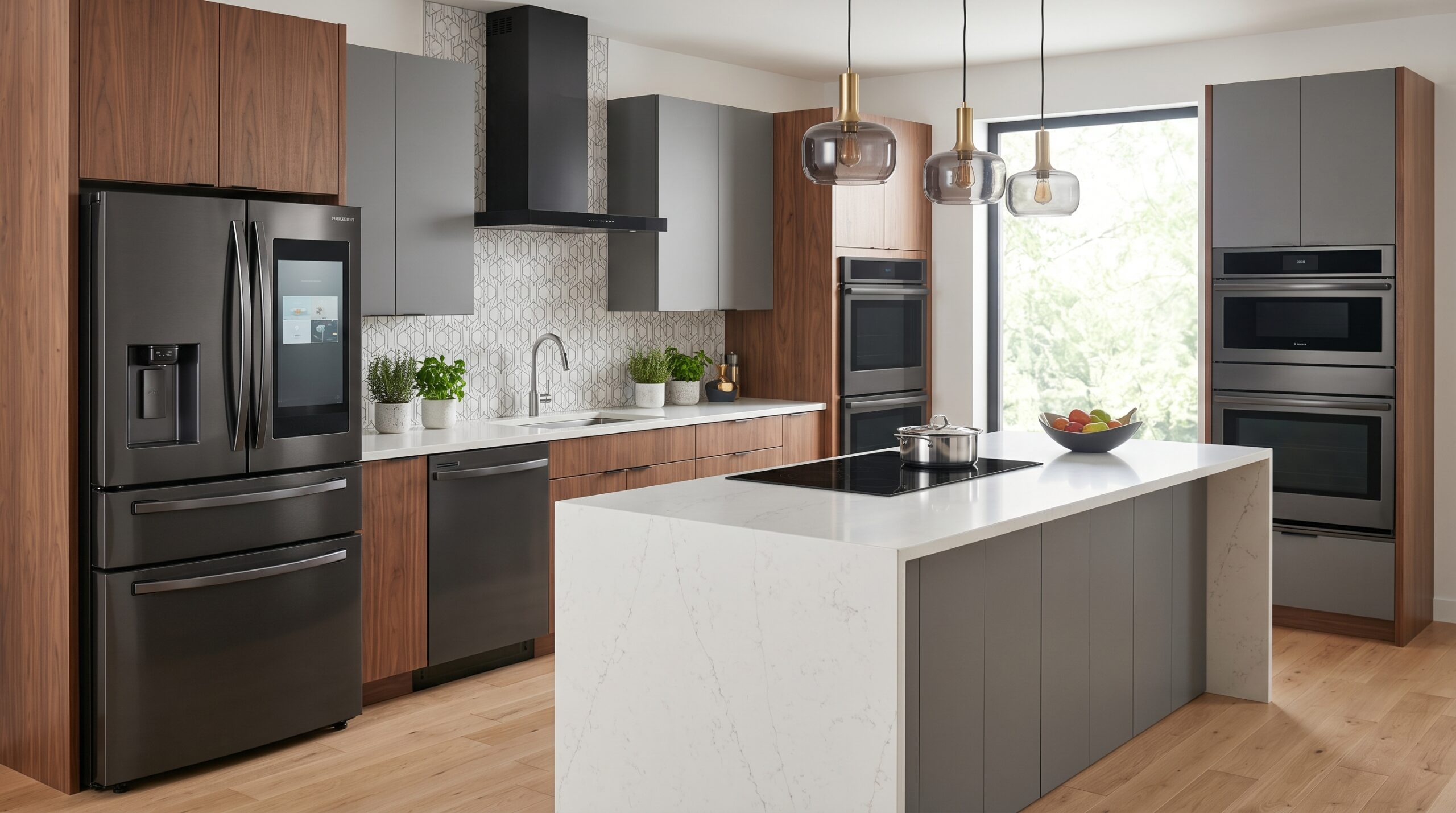
Energy-efficient appliances combine advanced technology with sleek, modern design to help homeowners and apartment dwellers reduce their electricity bills without sacrificing style. Today’s energy-saving appliances fit seamlessly into contemporary interiors—from minimalist kitchens to compact urban spaces—while delivering powerful performance with significantly lower energy consumption. According to the U.S. Department of Energy, ENERGY STAR® certified appliances use 10–50% less energy than conventional models, proving that sustainability and sophistication can coexist. For eco-conscious renters and young homeowners, these appliances offer a practical path to lower utility costs and a smaller carbon footprint, all while elevating the aesthetic of any living space.
This guide explains how sleek, modern energy-efficient appliances work, highlights top-rated models across key categories, and reveals design-forward strategies to integrate them into your home without compromising on elegance or functionality. Whether you’re upgrading a studio apartment or furnishing a first home, these appliances can transform daily routines into acts of environmental responsibility—without sacrificing the chic, contemporary look you want.
At a Glance
| Appliance Type | Design Style | Electricity Savings | Top Features |
|---|---|---|---|
| Compact Refrigerators | Sleek, French-door or under-counter | 30–40% | Smart cooling, quiet operation |
| Induction Cooktops | Smooth glass-ceramic surface | 50–70% | Instant heat, precise control |
| Smart Washing Machines | Minimalist front-load design | 20–30% | Auto-dosing, sensor-based cycles |
| Heat Pump Dryers | Space-efficient, ventless | 50–60% | No venting required, gentle on fabrics |
| Small Dishwashers | Built-in or portable slim models | 15–25% | Quiet operation, eco modes |
Why Choose Sleek, Energy-Efficient Appliances?
Choosing sleek, energy-efficient appliances reduces your monthly electricity bill and helps the planet. In the U.S. alone, ENERGY STAR® certified appliances saved enough energy in 2024 to avoid greenhouse gas emissions equivalent to those from 40 coal-fired power plants, according to the Environmental Protection Agency. These appliances deliver tangible benefits for modern lifestyles.
For young professionals and first-time homeowners, space is often limited. Sleek designs—like slimline refrigerators or drawer-style dishwashers—fit seamlessly into compact kitchens and studio apartments without overwhelming the room. Their minimalist aesthetic pairs effortlessly with modern interiors, from Scandinavian-inspired lofts to mid-century revivals. Many models now feature intuitive touch controls, voice assistant compatibility, and app-based monitoring, making daily chores easier and integrating with smart home ecosystems.
Design-first mindset: Modern energy-efficient appliances are engineered with aesthetics in mind. Brands like Bosch, LG, and Miele offer appliances in matte black, brushed steel, and even custom panel-ready finishes that blend into cabinetry. This design-forward approach ensures that sustainability doesn’t mean settling for bulky, utilitarian appliances that clash with your decor.
Cost savings that add up: Over the lifespan of an appliance, energy-efficient models can save hundreds—sometimes thousands—of dollars. For example, an ENERGY STAR® certified refrigerator can save approximately $200 in electricity costs over five years compared to a standard model. When combined with water savings in dishwashers and washing machines, the financial benefits compound quickly, offsetting the often-higher upfront cost within a few years.
How Do Energy-Efficient Appliances Work?
Energy-efficient appliances use advanced technologies to minimize energy waste while maximizing performance. Unlike traditional models, which often rely on resistive heating or inefficient compressors, modern energy-efficient appliances employ innovative systems tailored to their function. Here’s how they work:
- Inverter Technology in Refrigerators: Unlike traditional compressors that cycle on and off, inverter compressors adjust their speed based on cooling demand. This reduces energy use by up to 30% while maintaining consistent temperatures and quieter operation. Models like the LG InstaView ThinQ feature inverter compressors and sleek glass panels for a modern look.
- Induction Heating in Cooktops: Induction cooktops use electromagnetic fields to heat pots and pans directly, rather than heating the burner and transferring heat. This method is up to 90% efficient, compared to 50–60% for gas or electric resistance burners. Brands like Samsung and Whirlpool offer induction models with smooth glass surfaces that complement contemporary kitchens.
- Heat Pump Technology in Dryers: Heat pump dryers, like the Miele TCE 630 WP, use a closed-loop system to recycle heat, reducing energy consumption by 50% compared to vented dryers. They’re ideal for apartments without ventilation systems and work gently on delicate fabrics.
- Smart Sensors in Washing Machines: High-efficiency washing machines use sensors to detect load size and fabric type, adjusting water and energy usage accordingly. ENERGY STAR® certified models like the Bosch 800 Series can save up to 2,500 gallons of water annually while using 20% less electricity per load.
These technologies don’t just save energy—they enhance convenience. Many models now feature Wi-Fi connectivity, allowing users to monitor cycles remotely, receive alerts when detergent is low, or even order supplies automatically. This integration of sustainability and smart functionality reflects the growing demand among young consumers for appliances that are both eco-conscious and technologically advanced.
Top Sleek and Modern Energy-Efficient Appliances by Category
Below is a selection of the most stylish and efficient appliances across key categories, chosen for their design, performance, and energy-saving credentials. Each pick is ENERGY STAR® certified or meets equivalent efficiency standards.
Refrigerators: Space-Saving and Stylish
| Model | Type | Annual Energy Use (kWh) | Key Features | Design Notes |
|---|---|---|---|---|
| LG LRMVC2306S | French Door | 350 | Inverter Linear Compressor, Smart Cooling, ENERGY STAR® | Sleek stainless steel, door-in-door design |
| Samsung RF23BB8600 | French Door | 380 | Dual Ice Maker, Family Hub Touchscreen, ENERGY STAR® | Bold black matte finish, minimalist handles |
| Whirlpool WRX735SDHZ | Bottom-Freezer | 330 | Perfect Ice System, ENERGY STAR® | Panel-ready design, customizable front |
Design Tip: For small spaces, consider under-counter or compact refrigerators with a capacity of 18 cubic feet or less. These models, like the Haier HC17SF20WW, offer smart storage solutions and energy savings without dominating floor space. Their minimalist profiles and clean lines make them ideal for studio apartments or open-concept kitchens.
Induction Cooktops: The Future of Cooking
| Model | Size | Power Levels | Key Features | Design Notes |
|---|---|---|---|---|
| Bosch 800 Series PIE611F1UC | 30″ (4 elements) | 9,600W total | AutoChef, Power Boost, ENERGY STAR® | Brushed steel surface, touch controls |
| GE Profile PHB920STSS | 36″ (5 elements) | 11,400W total | Wi-Fi Connect, SyncBurners, ENERGY STAR® | Matte black finish, fingerprint-resistant |
Why Induction? Induction cooktops are the most energy-efficient electric option, offering faster heating, precise temperature control, and safety features like automatic shut-off. They’re also easier to clean than gas or electric coil tops, with smooth surfaces that wipe down in seconds. For renters, portable induction burners like the Duxtop 1800W offer a renter-friendly way to enjoy induction cooking without permanent installation.
Washing Machines: Quiet, Efficient, and Smart
| Model | Type | Water Factor | Energy Use (kWh/year) | Key Features | Design Notes |
|---|---|---|---|---|---|
| LG WM4000HWA | Front-Load | 2.35 | 230 | AI Wash, TurboWash, ENERGY STAR® | Sleek white finish, compact size |
| Samsung WF45A6400AV | Front-Load | 2.60 | VRT Plus™, Self-Clean, ENERGY STAR® | Black stainless steel, LED display |
Smart Features: Many modern washing machines now include features like auto-dosing (dispensing the right amount of detergent), steam cleaning, and Wi-Fi connectivity. These not only save energy but also reduce water and detergent waste, making them a triple win for your wallet and the planet. Look for models with ENERGY STAR® certification and a water factor below 2.7 to maximize efficiency.
Dryers: Ventless and Energy-Smart
| Model | Type | Energy Use (kWh/year) | Drying Capacity | Key Features | Design Notes |
|---|---|---|---|---|---|
| Miele TCE 630 WP | Heat Pump | 180 | 4.3 cu. ft. | PerfectDry, Auto-Dose, ENERGY STAR® | Panel-ready, whisper-quiet |
| LG DLEX8000V | Vented | 250 | 7.3 cu. ft. | AI Dry, TurboSteam, ENERGY STAR® | Compact, vented or ventless modes |
Ventless Advantages: Heat pump dryers, like the Miele model above, are ventless, making them ideal for apartments without external venting. They use up to 60% less energy than traditional vented dryers and are gentler on fabrics, extending the life of your clothes. While they have longer dry times, the energy savings and versatility make them a top choice for eco-conscious consumers.
Dishwashers: Compact and Quiet
| Model | Type | Water Use (gal/cycle) | Energy Use (kWh/cycle) | Key Features | Design Notes |
|---|---|---|---|---|---|
| Bosch 300 Series SHSM63W55N | Built-In | 2.6 | 0.61 | EcoSilence motor, ENERGY STAR® | Slim 18″, pocket-handle design |
| KitchenAid KDFE104DSS | Portable | 3.2 | 0.65 | Sensor Clean, ENERGY STAR® | Stainless steel, rolling base |
Space-Saving Solutions: For small kitchens, slimline or portable dishwashers are game-changers. The Bosch 300 Series, for example, fits into an 18-inch space and uses just 2.6 gallons of water per cycle—less than hand washing in many cases. Its EcoSilence motor operates at just 44 dB, making it one of the quietest dishwashers on the market.
Design Strategies for Integrating Energy-Efficient Appliances
Incorporating energy-efficient appliances into your home doesn’t mean compromising on style. With the right design strategies, these appliances can become focal points—or seamless background elements—in your interior. Here’s how to make them work for your aesthetic:
1. Match Appliance Finishes to Your Decor
Modern appliances come in a variety of finishes, from matte black and brushed steel to custom panel-ready designs that blend into cabinetry. For a cohesive look, choose finishes that complement your existing hardware and fixtures:
- Scandinavian-Inspired: Opt for white or light gray appliances with clean lines. Models like the Whirlpool WRF535SWHZ refrigerator offer a bright, minimalist look that pairs perfectly with light wood tones and soft textiles.
- Industrial Chic: Matte black or stainless steel appliances add a bold, contemporary edge. The Samsung RF23BB8600 in black stainless steel is ideal for loft-style apartments with exposed brick and metal accents.
- Mid-Century Modern: Panel-ready appliances, which feature customizable fronts to match your cabinets, are perfect for retro-inspired spaces. Brands like Miele and Bosch offer panel-ready options that can be fitted with wood or laminate fronts to blend seamlessly into your kitchen.
2. Prioritize Multi-Functional Spaces
In small apartments or open-concept living areas, multi-functional appliances can save space without sacrificing style. Consider:
- All-in-One Washer-Dryers: Units like the LG WM3900HWA combine washing and drying in one compact unit, freeing up space for other uses. These are ideal for studio apartments or laundry closets.
- Convertible Refrigerators: Some models, like the LG LRMVC2306S, feature flexible storage solutions, such as convertible freezer compartments that can switch between fridge and freezer modes to adapt to your needs.
- Portable Appliances: Don’t overlook portable or countertop models, like the Duxtop induction burner or Frigidaire FFTR1814TS compact refrigerator. These can be moved as needed and are perfect for renters or those with limited space.
3. Embrace Smart Home Integration
Many energy-efficient appliances now feature smart home compatibility, allowing you to control them via voice assistants or smartphone apps. This not only adds a futuristic touch to your home but also enhances convenience and efficiency:
- Voice Control: Appliances like the Samsung Family Hub fridge can be controlled via Alexa or Google Assistant, allowing you to check inventory, create grocery lists, or watch TV while cooking.
- App-Based Monitoring: Smart washing machines and dishwashers, such as the Bosch 800 Series, send notifications when cycles are complete or detergent is low, helping you stay on top of maintenance.
- Energy Tracking: Some models, like the Whirlpool Smart Top Load, provide real-time energy usage data, helping you identify opportunities to further reduce consumption.
Pro Tip: If you’re renting, look for appliances with renter-friendly features, such as portable induction burners or countertop dishwashers. These can be installed without permanent modifications and removed when you move, making them a flexible solution for temporary spaces.
Real-World Savings: How Much Can You Save?
Switching to energy-efficient appliances can lead to significant savings on your utility bills. While the exact amount depends on your usage, local energy rates, and the types of appliances you replace, here’s a breakdown of potential savings based on ENERGY STAR® data and consumer reports:
| Appliance | Annual Savings (vs. Standard) | Lifespan Savings | Payback Period |
|---|---|---|---|
| Refrigerator | $50–$100 | $250–$500 | 3–7 years |
| Induction Cooktop | $100–$200 | $500–$1,000 | 2–5 years |
| Front-Load Washer | $30–$60 | $150–$300 | 4–8 years |
| Heat Pump Dryer | $80–$150 | $400–$750 | 5–10 years |
| Dishwasher | $20–$40 | $100–$200 | 5–10 years |
Example Scenario: Replacing a 10-year-old refrigerator with an ENERGY STAR® certified model like the LG LRMVC2306S could save you $75 annually on electricity. Over the 10-year lifespan of the appliance, that’s $750 in savings—enough to cover the cost of a mid-range smart washing machine. When combined with savings from other appliances, the financial benefits quickly add up.
Beyond Electricity: Energy-efficient appliances often save water and gas as well. For example, ENERGY STAR® certified washing machines use 3,000 fewer gallons of water annually compared to standard models. Similarly, induction cooktops reduce gas usage by up to 50% in homes with gas ranges, as they heat faster and more efficiently.
Common Myths About Energy-Efficient Appliances
Despite their growing popularity, several myths persist about energy-efficient appliances. Here are the facts:
Myth 1: Energy-Efficient Appliances Are More Expensive
While it’s true that energy-efficient appliances often have a higher upfront cost, they typically pay for themselves over time through lower utility bills. According to the U.S. ENERGY STAR® program, the average ENERGY STAR® certified appliance costs $100–$200 more upfront but saves $100–$300 over its lifespan. For example, the Bosch 800 Series washing machine retails for around $1,200 but saves $150 annually in energy and water costs, paying for itself in 8 years.
Long-Term Value: In addition to energy savings, these appliances often last longer than standard models. Miele and Bosch, for example, are known for their durability, with many models lasting 15–20 years compared to 10–15 years for cheaper alternatives. This longevity further enhances their value proposition.
Myth 2: They’re Less Powerful
Some consumers worry that energy-efficient appliances lack the power of their traditional counterparts. However, advancements in technology have largely debunked this myth. For example:
- Induction Cooktops: Despite using less energy, induction cooktops deliver faster heating and more precise temperature control than gas or electric resistance burners. They’re also safer, with automatic shut-off features.
- Heat Pump Dryers: These dryers use less energy but are gentler on fabrics, reducing wear and tear over time. They’re also quieter and more compact than vented dryers.
- Smart Washing Machines: High-efficiency models use sensors to optimize water and energy usage, often resulting in cleaner clothes with less detergent and shorter cycles.
Myth 3: They’re Difficult to Maintain
Another common concern is that energy-efficient appliances require more maintenance. In reality, many of these appliances are designed to be low-maintenance:
- Self-Cleaning Features: Many modern ovens and dishwashers, like the Samsung WF45A6400AV, feature self-cleaning cycles that eliminate the need for harsh chemicals.
- Automatic Detergent Dispensing: High-efficiency washing machines, such as the LG WM4000HWA, automatically dispense the right amount of detergent, reducing the risk of buildup and odors.
- Durable Construction: Brands like Bosch and Miele use high-quality materials and precision engineering to ensure longevity. Their appliances often come with extended warranties, providing peace of mind.
Pro Tip: To keep your appliances running efficiently, clean the condenser coils on your refrigerator every 6–12 months and run a cleaning cycle in your dishwasher monthly. These simple tasks can extend the lifespan of your appliances and maintain their energy efficiency.
How to Choose the Right Energy-Efficient Appliance for Your Space
Selecting the right energy-efficient appliance depends on your space, lifestyle, and design preferences. Here’s a step-by-step guide to help you choose:
1. Assess Your Space
Before purchasing, measure your space carefully to ensure the appliance fits. Consider:
- The dimensions of your kitchen or laundry area, including door swings and clearance for ventilation.
- Whether you need a built-in or freestanding model. For renters, portable or countertop appliances may be the best option.
- The layout of your plumbing and electrical outlets. Some appliances, like dishwashers and washing machines, require specific hookups.
Pro Tip: Use a RoomSketcher or Floorplanner tool to visualize your space and test different appliance placements before buying.
2. Determine Your Must-Have Features
Energy-efficient appliances come with a range of features, from smart connectivity to advanced cleaning modes. Prioritize features based on your needs:
- For Cooking: If you love to cook, prioritize induction cooktops with precise temperature control, like the Bosch 800 Series.
- For Convenience: Smart features like Wi-Fi connectivity and app-based monitoring can make daily tasks easier. Look for appliances compatible with your existing smart home ecosystem.
- For Small Spaces: Compact or slimline models, such as the Whirlpool WRF535SWHZ refrigerator, are ideal for apartments.
Budget Considerations: Set a budget before shopping and stick to it. Remember that while energy-efficient appliances may have a higher upfront cost, they often save money in the long run through lower utility bills and extended lifespans.
3. Research Brands and Models
Not all energy-efficient appliances are created equal. Research brands known for their durability, efficiency, and customer service. Look for models with ENERGY STAR® certification or equivalent ratings from organizations like the U.S. ENERGY STAR® program or the European EcoLabel.
Read reviews from reputable sources like Consumer Reports, Good Housekeeping, or The Spruce to get an idea of real-world performance and reliability. Pay attention to factors like noise levels, ease of use, and customer service experiences.
4. Consider Renter-Friendly Options
If you’re renting, prioritize appliances that are easy to install and remove without permanent modifications. Portable induction burners, countertop dishwashers, and compact refrigerators are excellent choices. For example, the Frigidaire FFTR1814TS compact refrigerator plugs into a standard outlet and can be moved as needed.
Renter Tips: Check your lease agreement before installing any appliances. Some landlords may require professional installation or have restrictions on modifications. Always get permission before making changes to your rental space.
5. Look for Rebates and Incentives
Many utility companies and governments offer rebates or tax incentives for purchasing energy-efficient appliances. These can significantly reduce the upfront cost and shorten the payback period. For example:
- In the U.S., the ENERGY STAR® program partners with local utilities to offer rebates on qualifying appliances. Check the ENERGY STAR® Rebate Finder to see what’s available in your area.
- In the EU, the European Commission offers incentives for energy-efficient appliances through programs like the Ecodesign Directive.
- In Canada, programs like Natural Resources Canada provide rebates for ENERGY STAR® certified appliances.
Where to Find Rebates: Visit your local utility company’s website or check government energy efficiency programs for up-to-date information on available rebates. Some retailers, like Home Depot and Lowe’s, also offer instant rebates at the time of purchase.
Top Energy-Efficient Appliances for Apartments and Small Homes
For young professionals and first-time homeowners living in apartments or small homes, space and efficiency are top priorities. Below are some of the best energy-efficient appliances designed specifically for compact living spaces, chosen for their sleek design, quiet operation, and energy-saving credentials.
Compact Refrigerators: Space-Saving and Stylish
| Model | Capacity | Annual Energy Use (kWh) | Features | Price Range |
|---|---|---|---|---|
| Haier HC17SF20WW | 17.5 cu. ft. | 280 | Inverter Compressor, ENERGY STAR® | $600–$800 |
| LG LFXS26973 | 18.6 cu. ft. | 300 | Smart Cooling, ENERGY STAR® | $800–$1,000 |
Why Choose Compact? Compact refrigerators are designed for small kitchens, studio apartments, or secondary spaces like offices or dorm rooms. They offer the same advanced features as full-size models, such as inverter compressors and smart cooling, but in a footprint that fits seamlessly into tight spaces. Their sleek profiles and clean lines make them a stylish addition to any modern interior.
Portable Dishwashers: Convenience Without Compromise
| Model | Type | Water Use (gal/cycle) | Noise Level (dB) | Features | Price Range |
|---|---|---|---|---|---|
| Bosch 300 Series SHSM63W55N | Built-In Slimline | 2.6 | 44 | EcoSilence motor, ENERGY STAR® | $700–$900 |
| KitchenAid KDFE104DSS | Portable | 3.2 | 52 | Sensor Clean, ENERGY STAR® | $800–$1,100 |
Built-In vs. Portable: Built-in slimline dishwashers, like the Bosch model, fit into standard 18-inch spaces and can be hidden behind cabinet panels for a seamless look. Portable models, such as the KitchenAid, feature rolling bases and can be moved as needed. Both options are ideal for small kitchens and offer energy-efficient cycles.
All-in-One Washer-Dryers: Efficiency Meets Convenience
| Model | Capacity | Annual Energy Use (kWh) | Water Factor | Features | Price Range |
|---|---|---|---|---|---|
| LG WM3900HWA | 2.3 cu. ft. | 220 | 2.35 | AI Wash, TurboWash, ENERGY STAR® | $1,100–$1,400 |
| Samsung WF45A6400AV | 2.5 cu. ft. | 240 | 2.60 | VRT Plus™, ENERGY STAR® | $1,000–$1,300 |
Why Choose All-in-One? All-in-one washer-dryers are perfect for small spaces where a separate washer and dryer won’t fit. These compact units combine both functions in one appliance, saving floor space without sacrificing performance. They’re also a great option for laundry closets or apartments with shared laundry facilities.
Ventless Dryers: Quiet and Compact
| Model | Type | Annual Energy Use (kWh) | Drying Capacity | Features | Price Range |
|---|---|---|---|---|---|
| Miele TCE 630 WP | Heat Pump | 180 | 4.3 cu. ft. | PerfectDry, Auto-Dose, ENERGY STAR® | $1,500–$1,800 |
| LG DLEX8000V | Vented/Non-Vented | 250 | 7.3 cu. ft. | AI Dry, TurboSteam, ENERGY STAR® | $900–$1,200 |
Ventless Advantages: Heat pump dryers, like the Miele model, are ventless, making them ideal for apartments without external venting. They use up to 60% less energy than traditional vented dryers and are gentler on fabrics. While they have longer dry times, the energy savings and versatility make them a top choice for eco-conscious consumers living in tight spaces.
Integrating Energy-Efficient Appliances into Your Home Decor
Energy-efficient appliances don’t have to be an eyesore. With the right design approach, they can enhance your home’s aesthetic while reducing your environmental impact. Here are some stylish ways to integrate them into your decor:
1. Create a Cohesive Color Palette
Choose appliances in colors and finishes that complement your existing decor. For a modern look, opt for stainless steel, matte black, or white. For a warmer, more organic feel, consider panel-ready appliances with wood or bamboo fronts.
Color Trends for 2026: According to Elle Decor, matte black and brushed brass finishes are trending in kitchen design this year. Pair matte black appliances with brass hardware for a bold, contemporary look, or choose brushed steel for a timeless, neutral aesthetic.
2. Use Appliances as Statement Pieces
Why hide your appliances when you can showcase them? Let them become focal points in your kitchen or laundry area:
- Bold Finishes: A matte black refrigerator or a red retro-style washer can add a pop of color and personality to your space. Brands like Smeg offer appliances in vibrant colors that double as decor.
- Custom Panels: Panel-ready appliances can be fitted with custom fronts to match your cabinetry, creating a seamless, high-end look. This approach is popular in luxury and mid-century modern interiors.
- Open Shelving: In open-concept kitchens, consider placing appliances like a sleek dishwasher or compact refrigerator on open shelving. This not only saves cabinet space but also allows the appliance to become part of the room’s decor.
Pro Tip: For a truly custom look, work with a local carpenter or cabinetmaker to create panel-ready fronts for your appliances. This is a great option for those renovating their kitchen or looking to add a high-end touch to a rental space.
3. Blend Appliances into Your Design Theme
Energy-efficient appliances can be designed to align with specific interior themes. Here’s how to match them to popular styles:
- Scandinavian: Opt for white or light gray appliances with clean lines and minimalist hardware. Pair them with light wood tones and soft textiles for a cozy, hygge-inspired look.
- Industrial: Choose matte black or stainless steel appliances with bold, angular designs. Pair them with exposed brick, metal accents, and Edison bulb lighting for an urban loft vibe.
- Mid-Century Modern: Look for panel-ready appliances with wood or laminate fronts in warm tones like teak or walnut. Pair them with retro-inspired hardware and geometric patterns for a nostalgic yet fresh look.
- Modern Farmhouse: Opt for stainless steel appliances with a vintage-inspired finish, such as the Frigidaire Gallery series. Pair them with shaker-style cabinetry and open shelving for a rustic yet refined aesthetic.
Where to Find Inspiration: Browse platforms like Pinterest or Instagram for design inspiration. Search hashtags like #EcoFriendlyHome or #SustainableLiving to see how others are integrating energy-efficient appliances into their spaces.
Smart Home Integration: Taking Efficiency to the Next Level
Smart home technology is revolutionizing the way we interact with our appliances. By integrating energy-efficient appliances into a smart home ecosystem, you can further reduce your energy consumption, enhance convenience, and even lower your utility bills. Here’s how to make the most of this synergy:
1. Voice Control and Automation
Many energy-efficient appliances now feature voice control compatibility, allowing you to operate them hands-free using Alexa, Google Assistant, or Siri. This is especially useful in the kitchen, where multitasking is the norm:
- Smart Refrigerators: Models like the Samsung Family Hub allow you to check inventory, create grocery lists, and even watch TV while cooking—all via voice command.
- Smart Ovens: ENERGY STAR® certified smart ovens, such as the GE Profile Smart Oven, can preheat remotely, adjust cooking times based on food type, and send notifications when your meal is ready.
- Smart Plugs: For appliances without built-in smart features, plug them into smart plugs like TP-Link Kasa to monitor energy usage and schedule operation during off-peak hours.
Automation Tips: Use smart home platforms like Home Assistant or Samsung SmartThings to automate your appliances. For example, set your smart washing machine to run during off-peak hours when electricity rates are lower.
2. Energy Monitoring and Optimization
Smart energy monitoring tools can help you track and optimize your appliance usage, further reducing your electricity bills:
- Smart Meters: Devices like the Sense Energy Monitor provide real-time data on your home’s energy consumption, allowing you to identify energy hogs and adjust usage accordingly.
- Appliance-Specific Apps: Many ENERGY STAR® certified appliances come with companion apps that provide usage insights. For example, the Bosch Home Connect app tracks energy and water usage for your washing machine and dishwasher.
- Peak Demand Management: Some utility companies offer time-of-use pricing, where electricity costs more during peak hours. Smart appliances can be programmed to run during off-peak hours, saving you money. For example, the ecobee Smart Thermostat can coordinate with your smart appliances to optimize energy usage.
Pro Tip: Use smart home platforms like IFTTT to create custom automations. For example, set your smart lights to dim when your smart dishwasher starts a cycle, further reducing energy consumption.
3. Remote Monitoring and Maintenance
Smart appliances allow you to monitor and maintain them remotely, reducing the need for in-person checks and extending their lifespan:
- Remote Diagnostics: Many ENERGY STAR® certified appliances feature remote diagnostics, alerting you to potential issues before they become major problems. This can save you money on repairs and reduce downtime.
- Automatic Detergent Orders: Smart washing machines, such as the LG WM4000HWA, can automatically order detergent when levels are low, ensuring you never run out mid-cycle.
- Maintenance Alerts: Smart appliances send notifications for routine maintenance, such as cleaning filters or running a cleaning cycle. This keeps your appliances running efficiently and extends their lifespan.
Peace of Mind: For busy young professionals, remote monitoring and maintenance offer convenience and peace of mind. No more worrying about whether you left the oven on or if your washing machine is leaking—smart alerts keep you informed and in control.
FAQs About Sleek and Modern Energy-Efficient Appliances
Are energy-efficient appliances worth the higher upfront cost?
Yes, energy-efficient appliances are worth the higher upfront cost for most consumers. While they may be more expensive initially, they typically pay for themselves over time through lower utility bills, extended lifespans, and potential rebates. According to the U.S. ENERGY STAR® program, the average ENERGY STAR® certified appliance saves enough energy to pay for itself in 3–10 years, depending on the type and usage. Additionally, these appliances often last longer than standard models, further enhancing their value.
Do energy-efficient appliances really save that much electricity?
Yes, energy-efficient appliances can save a significant amount of electricity compared to standard models. For example, ENERGY STAR® certified refrigerators use 10–30% less energy than conventional models, while induction cooktops use 50–70% less energy than gas or electric resistance burners. Over the lifespan of an appliance, these savings can add up to hundreds—sometimes thousands—of dollars in reduced utility bills. The exact amount depends on the appliance type, size, and usage patterns.
Can I use energy-efficient appliances in a rental apartment?
Yes, you can use energy-efficient appliances in a rental apartment, but you’ll need to choose renter-friendly options. Portable or countertop appliances, such as induction burners, compact refrigerators, or countertop dishwashers, are ideal for renters. These can be installed without permanent modifications and removed when you move. Always check your lease agreement before installing any appliances to ensure compliance with your landlord’s policies.
Are energy-efficient appliances louder than standard models?
No, many energy-efficient appliances are actually quieter than their standard counterparts. For example, ENERGY STAR® certified dishwashers often operate at 44 dB or lower, compared to 50–60 dB for standard models. Similarly, inverter compressors in refrigerators reduce noise by operating at variable speeds rather than cycling on and off abruptly. If noise is a concern, look for models with ENERGY STAR® certification or check the decibel (dB) rating in the product specifications.
Do energy-efficient appliances require special maintenance?
Energy-efficient appliances are designed to be low-maintenance, but they do require some routine upkeep to ensure optimal performance. For example:
- Clean the condenser coils on your refrigerator every 6–12 months to maintain efficiency.
- Run a cleaning cycle in your dishwasher monthly to prevent buildup and odors.
- Use the auto-dose feature on your washing machine to ensure you’re using the right amount of detergent.
- Check the water filter on your refrigerator and replace it as needed.
Always refer to the manufacturer’s guidelines for specific maintenance recommendations for your appliance.
Where can I find rebates for energy-efficient appliances?
Rebates for energy-efficient appliances are available through a variety of sources, including:
- Utility Companies: Many local utility companies offer rebates for ENERGY STAR® certified appliances. Check your utility company’s website or contact their energy efficiency department for details.
- Government Programs: National and local governments often offer incentives for energy-efficient appliances. In the U.S., the ENERGY STAR® program provides a Rebate Finder tool to help you locate available rebates in your area.
- Retailers: Some retailers, like Home Depot and Lowe’s, offer instant rebates at the time of purchase for qualifying appliances.
Always check the terms and conditions of rebates to ensure you meet the eligibility requirements.
Final Thoughts: Stylish Savings for a Sustainable Future
Sleek and modern energy-efficient appliances prove that sustainability and style are not mutually exclusive. From induction cooktops with glass-ceramic surfaces to panel-ready refrigerators that blend into cabinetry, these appliances offer a path to lower electricity bills and a smaller carbon footprint without sacrificing the aesthetics of your home. For 20-something homeowners and apartment dwellers, they represent a practical and stylish solution to the challenges of modern living—where space is limited, budgets are tight, and environmental responsibility is a priority.
By choosing energy-efficient appliances, you’re not just upgrading your home—you’re making a statement about the future you want to see. These appliances show that small changes in our everyday lives can add up to significant impacts when multiplied across millions of households. Whether you’re furnishing a first apartment or renovating a starter home, integrating sleek, energy-efficient appliances is a step toward a more sustainable and stylish lifestyle.
Remember, the key to success is choosing appliances that align with your space, lifestyle, and design preferences. Prioritize ENERGY STAR® certification or equivalent ratings, research brands and models, and take advantage of rebates and incentives to maximize your savings. With the right approach, you can enjoy the benefits of energy efficiency without compromising on style or performance.
So go ahead—embrace the future of home appliances. Choose sleek. Choose efficient. Choose sustainable. Your wallet—and the planet—will thank you.
Continue Exploring
Explore these related guides to transform your space into an eco-conscious haven: